
Navigating London's Dynamic Labour Supply: Your Ultimate Hiring Guide
Find, attract, and retain the top talent powering the UK's capital. A comprehensive analysis of strategies, trends, and actionable solutions for 2026.
Secure Your Labour Supply TodayLondon's economy is a powerhouse, but its engine is its people. For businesses, navigating the city's labour supply London market is a constant strategic challenge, balancing intense competition, evolving skill demands, and the need for agility. Whether you're a startup in Shoreditch, a construction firm in Canary Wharf, or a hospitality group in the West End, understanding how to effectively tap into this talent pool is critical for growth and sustainability. This guide delves deep into the mechanics of London's workforce, offering expert insights, practical hiring strategies, and a roadmap to building a resilient and skilled team ready to meet the demands of 2026 and beyond.
The London Labour Landscape: A Multi-Faceted Overview
London's labour market is uniquely complex, characterized by its sheer scale, diversity, and rapid pace of change. It's a global hub, attracting talent from across the UK and the world, which creates both immense opportunity and significant competition for the best candidates. Sectors like finance, tech, construction, healthcare, and hospitality each have their own distinct rhythms and requirements.
A Deep Dive into the Data
London's workforce exceeds 5 million people, with a higher concentration of graduates and professionals in sectors like finance, technology, and creative industries than any other UK region. However, this is complemented by a vast pool of essential workers in logistics, retail, construction, and healthcare. The market is highly mobile, with professionals often changing roles to advance their careers, making retention a key focus. Furthermore, the rise of hybrid and remote work models has expanded the geographic catchment area for many roles, while increasing competition as London-based roles can now be filled by talent nationwide.
Understanding these dynamics is the first step to crafting an effective talent acquisition strategy. For a broader perspective on national trends, our Ultimate Guide to Modern Talent Sourcing provides invaluable context.
Navigating the Hiring Hurdles
- Intense Competition: Every major employer is vying for the same top-tier talent, driving up salary expectations and shortening hiring cycles.
- Skill Shortages in Niche Areas: Roles requiring highly specialized skills, such as a Chatbot Implementation Specialist or advanced cybersecurity experts, often have candidate pools that are small and in high demand.
- High Cost of Living: London's living costs impact salary demands and can deter talent from relocating, making competitive compensation packages non-negotiable.
- Speed to Hire: The best candidates are often off the market within 10 days. Lengthy recruitment processes result in missed opportunities.
Actionable Strategies for Success
Overcoming these challenges requires a proactive and multi-channel approach. Leveraging specialized job platforms is crucial. For instance, if you are Looking For Staff in trades or logistics, niche sites can connect you directly with active job seekers. Speed is paramount; promoting roles with an"Immediate Start" tag, similar to our listings for Immediate Stock Replenisher Jobs, significantly increases application rates. Furthermore, building a pipeline for recurring needs, such as Casual Labourer roles, ensures you have ready access to flexible talent.
Key Strategies to Optimise Your London Labour Supply
Embrace Digital & Hybrid Recruitment
Move beyond traditional job boards. Utilize professional networks like LinkedIn, engage with tech communities on GitHub or Stack Overflow, and consider AI-powered sourcing tools to identify passive candidates. For remote-capable roles, clearly state this flexibility to attract a wider labour supply London pool, including those deterred by commute costs.
Pro-Tip: Video interviews are now standard. Use them to assess communication skills and cultural fit early, speeding up the screening process significantly. Prepare effectively by watching our guide: How to Interview Someone for a Job: Top Questions & Pro Hiring Tips.
Develop a Compelling Employer Value Proposition (EVP)
In a competitive market, salary alone isn't enough. Your EVP is the total package you offer: career progression paths, learning & development opportunities (like sponsoring certifications for a Chatbot Implementation Specialist), wellness programs, flexible working, and a positive company culture. Articulate this clearly in your job descriptions and employer branding.
Build a Talent Pipeline & Engage Passive Candidates
Don't start from zero every time you have a vacancy. Use CRM tools to maintain relationships with past applicants and promising candidates you've met at events or online. Share relevant industry content, invite them to webinars, and keep your organization top-of-mind so that when they are ready to move, you're the first call.
Sector-Specific Insights: Where Demand Meets Supply
London's labour supply is not monolithic. Each industry faces unique pressures. Understanding these nuances is key to tailoring your approach.
Technology & Digital
The demand for software developers, data scientists, cybersecurity experts, and niche roles like Chatbot Implementation Specialist far outstrips supply. Competition is global, and retention is challenging. Success here requires offering cutting-edge projects, continuous upskilling opportunities, and competitive equity or bonus structures. Exploring hybrid and remote models can also tap into national talent pools.
Candidates in this field are highly informed. Ensure your technical interview process is respectful of their time and accurately assesses skill. For more on landing top tech talent, see our resource on high-demand digital roles.
Construction & Trades
Project-based work and seasonal fluctuations define this sector. Reliable labour supply London for skilled tradespeople, site managers, and labourers is a constant need. Building relationships with reputable agencies and having a process for urgent hiring is critical. Highlighting job security, clear project pipelines, and adherence to safety standards makes roles more attractive.
Expert Insight:"The most successful construction firms in London don't just hire for a project; they invest in apprenticeship schemes to build their own pipeline of future talent, securing their labour supply for years to come." – Industry HR Director.
The Future-Proof Skill: Chatbot Implementation Specialist
A prime example of a niche, high-demand role emerging from London's tech evolution is the Chatbot Implementation Specialist. This professional bridges the gap between AI technology and business customer service goals. They don't just code; they understand conversational design, user intent, NLP platforms, and integration with existing CRM systems like Salesforce or Zendesk.
Finding this specialized talent requires looking beyond generic developer job boards. Engage with AI and machine learning communities, attend relevant tech meetups in London, and consider upskilling existing IT staff with a passion for automation. The investment is significant, but the ROI in terms of improved customer service efficiency and 24/7 support capability is substantial.
Hire a Specialist NowOperational Excellence: From Hiring to Retention
Securing your labour supply London is only half the battle. Retaining talent is where long-term operational stability is built.
Streamlining the Onboarding Process
A poor first impression can undo a perfect hiring campaign. Implement a structured onboarding program that goes beyond paperwork. Assign a mentor or buddy, provide clear 30/60/90-day goals, and ensure all necessary equipment and system access are ready on day one. This demonstrates organization and respect for the new hire's time and contribution.
For roles requiring immediate productivity, such as seasonal retail or event staff, a condensed, highly efficient onboarding process is vital. Platforms like HireNow specialize in connecting employers with candidates prepared for a quick start.
Onboarding Checklist
- ✓ Contract & legal docs signed digitally
- ✓ IT setup completed before Day 1
- ✓ Introductory meetings with team & key stakeholders scheduled
- ✓ Training plan for first week outlined
- ✓ Regular check-ins booked with manager
Fostering a Culture of Growth & Recognition
London professionals are ambitious. Regular, constructive feedback, clear pathways for promotion, and investment in training are not perks but expectations. Implement transparent performance review systems and celebrate achievements publicly. Encourage internal mobility so employees can explore new challenges without leaving your organization.
This is equally important for all roles, from office-based professionals to on-site tradespeople. A culture that values safety, skill, and reliability will retain a better labour supply London in the construction and logistics sectors. For more on building a strong employer brand, visit our Employer hub.
Frequently Asked Questions (FAQ)
Get quick answers to the most common questions about managing and sourcing London's labour supply.
The most common mistake is being too slow and relying on a single, passive channel (like posting on one job board and waiting). London's market moves fast. Successful hiring requires a multi-pronged, proactive approach: leveraging specialized platforms like ours for active candidates, using recruiters or direct sourcing for passive talent, and streamlining the interview process to make an offer within days, not weeks.
Niche tech talent is often not actively job-hunting. You need to:
- Engage their community: Sponsor or speak at meetups, contribute to open-source projects they use, and be active on platforms like Discord or specialized forums.
- Craft a compelling project brief: Instead of a generic job description, detail the specific challenges they'll solve and the technologies they'll master.
- Offer autonomy and impact: Specialists want ownership over their domain. Highlight how their work directly influences product direction or customer experience.
- Consider using a specialized technical recruitment agency with a proven track record in AI and automation roles.
It depends on your needs, resources, and the role. For permanent, senior, or highly specialized positions (like a Chatbot Implementation Specialist), a reputable agency can save immense time and provide access to pre-vetted, passive candidates. For high-volume, temporary, or entry-level roles, direct hiring via modern job platforms can be more cost-effective and faster. Many businesses use a hybrid model: agencies for critical hires and direct platforms for bulk recruitment. Explore your options on our Employer page.
Extremely important for a significant portion of the market. Many candidates, from recent graduates to those between contracts or in temporary work, are ready to start immediately. Using this phrase can double or triple application rates for relevant roles. It signals urgency on your part and meets the need of a ready workforce. This is a standard and effective practice for roles in logistics, hospitality, retail, and administrative support. See examples of its effectiveness: Immediate Start Nursery Nurse Jobs.
Ready to Solve Your Labour Supply Challenge?
Stop searching and start building your ideal team. Whether you need niche tech experts, reliable tradespeople, or flexible temporary staff, taking action today secures your operational tomorrow.
Connect with London's most dynamic and ready workforce in minutes.
Case Study: Scaling a Tech Startup's Labour Supply
To understand the practical application of these strategies, consider the journey of"FinTech Innovate Ltd," a London-based startup that needed to scale its engineering team from 10 to 50 within 18 months. Their primary challenge was competing with established banks and tech giants for the same full-stack developers and data engineers.
The Problem
Traditional job ads yielded low-quality applicants. Their interview process was a 6-stage marathon, leading to top candidates accepting offers elsewhere. They lacked a structured employer brand to articulate their mission beyond equity offers.
The Strategy Shift
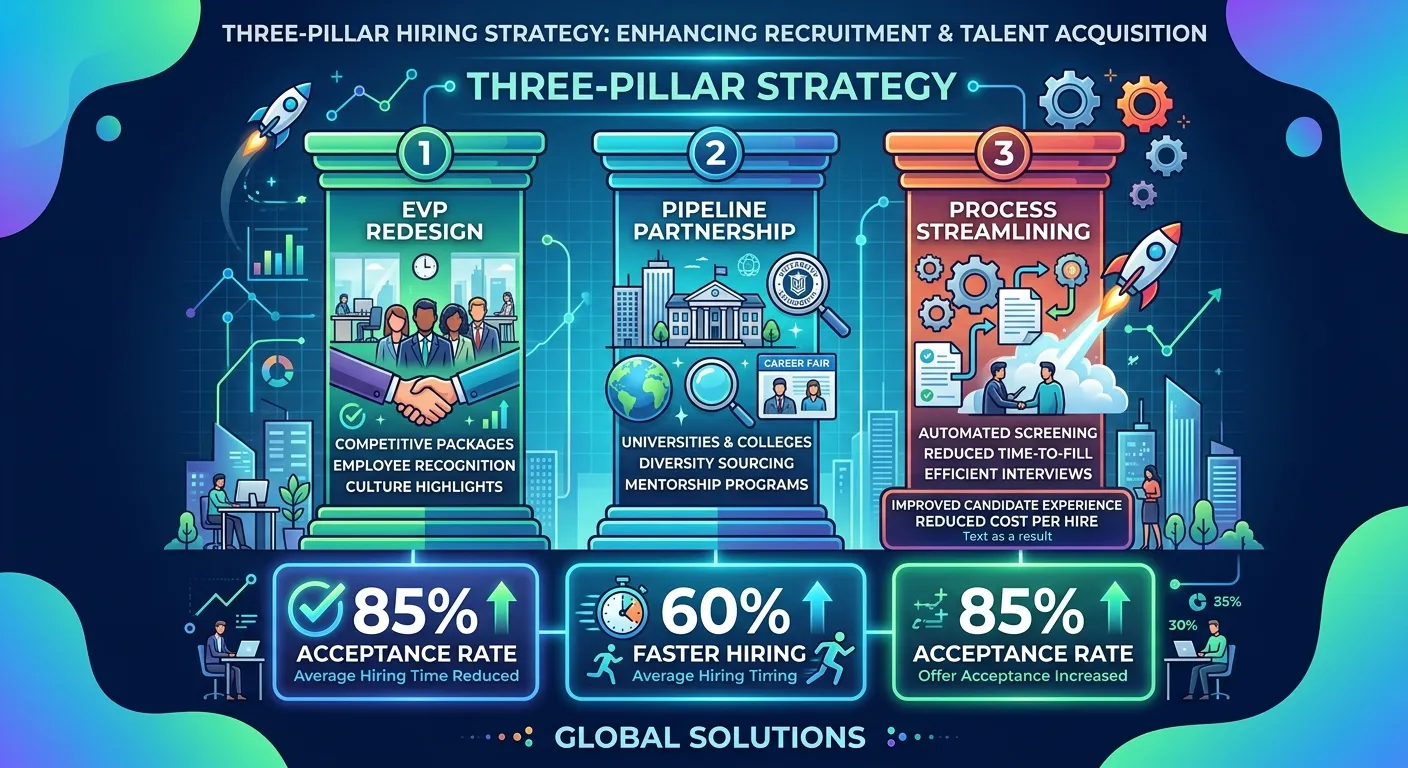
They implemented a three-pillar approach: 1. Redesigned their EVP around"Impact & Autonomy," showcasing real projects. 2. Partnered with a coding bootcamp for a dedicated pipeline. 3. Streamlined hiring to 3 stages, with technical challenges replacing multiple interviews.
The Outcome
Time-to-hire reduced by 60%. Offer acceptance rate increased from 40% to 85%. They built a waiting list of pre-vetted candidates, securing their labour supply London for future growth phases. This proactive pipeline management is crucial for any business facing rapid scaling.
Leveraging Data Analytics for Labour Market Intelligence
Beyond reactive hiring, leading London firms are using data analytics to predict and prepare for labour market shifts. This involves monitoring key indicators to make informed strategic decisions about workforce planning.
Key London Labour Metrics to Track
| Metric | Why It Matters | Where to Find Data |
|---|---|---|
| Sector-Specific Vacancy Rates | Indicates the intensity of competition. A rising vacancy rate in tech signals a tightening market where you must act faster. | Office for National Statistics (ONS), industry reports from Tech Nation, London Chamber of Commerce. |
| Average Time-to-Fill | Benchmarks your recruitment process efficiency against the London average for your sector. | Recruitment industry benchmarks (e.g., APSCo reports), internal ATS analytics. |
| Commuting Pattern Shifts | Post-pandemic, understanding where talent lives informs decisions on remote work policies and office location. | Transport for London (TfL) data, census information, employee surveys. |
| Skills & Qualification Trends | Identifies emerging skills (e.g., expertise in a specific AI platform) to tailor L&D programs and future hiring. | LinkedIn Workforce Insights, job posting analysis tools, university graduate output data. |
By analyzing this data, a logistics company might discover a growing pool of qualified HGV drivers in East London, prompting them to open a new depot there. A marketing agency might see a surge in demand for TikTok content strategists and proactively upskill their social media team. This forward-looking approach transforms labour supply from a cost centre into a strategic advantage.
The Role of Apprenticeships & Upskilling in Building Sustainable Supply
One of the most effective long-term strategies to secure your labour supply London is to grow your own talent. With skill shortages prevalent, investing in apprenticeships and structured upskilling programs is no longer just corporate social responsibility—it's a commercial imperative.
Creating a Talent Factory
London offers generous government incentives for apprenticeship levy payers. Programs can be tailored for everything from digital marketing and software development to advanced manufacturing and construction management. For instance, a company needing a Chatbot Implementation Specialist could develop a Level 4 Data Analyst apprenticeship with a focus on NLP, creating a home-grown expert in 18-24 months.
The benefits are multifold: you shape the skillset exactly to your business needs, foster immense loyalty, and build a culture of continuous learning. This is particularly powerful in sectors like construction, where pairing a young apprentice with a seasoned tradesperson transfers critical tacit knowledge that isn't found in textbooks.
Success in Action: A Hospitality Group's Model
"The Metropolitan Dining Group" faced high turnover in sous chef and restaurant management roles. Instead of perpetually fishing in the same pond, they launched a"Hospitality Leaders" apprenticeship program in partnership with a local college.
- Result: 90% retention rate for program graduates after 3 years.
- ROI: Reduced recruitment agency fees by an estimated £200,000 annually.
- Culture: Created a clear promotion path, boosting morale and applicant quality for entry-level roles.
Navigating Regulatory Compliance & Right to Work
In a global city like London, ensuring a compliant labour supply London is a critical, non-negotiable layer of the hiring process. Post-Brexit immigration rules and evolving right-to-work (RTW) checks add complexity that, if mismanaged, can lead to severe penalties and operational disruption.
Essential Compliance Checklist
- ! Digital RTW Checks: Since April 2022, most checks can and should be done digitally using certified Identity Service Providers (IDSPs). Physical document checks are only permissible in limited circumstances.
- ! Skilled Worker Visas: Understand the updated Salary Thresholds (generally £38,700 or the going rate for the job, whichever is higher) and the Shortage Occupation List, which offers more favourable terms for roles like certain engineers and healthcare professionals.
- ! Sponsor Licence Management: If you hire non-UK talent, maintaining your sponsor licence with accurate reporting duties (tracking attendance, reporting changes in role) is essential to avoid revocation.
- ! IR35 for Contractors: For off-payroll workers in the private sector, the responsibility for determining employment status and tax liability now generally lies with the medium or large-sized end-client.
Mitigating Risk & Building a Robust Process
The key is to integrate compliance seamlessly into your recruitment workflow, not treat it as a last-minute hurdle.
- Train Hiring Managers: Ensure all involved understand the basics of RTW and the importance of not discriminating while checking status.
- Use Integrated Technology: Leverage Applicant Tracking Systems (ATS) that have built-in RTW check workflows and reminders for visa expiry dates.
- Audit Regularly: Conduct internal audits of your hiring files every quarter to catch and correct any process deviations early.
- Partner Wisely: If using recruitment agencies, have a clear contract stating their compliance responsibilities for pre-screened candidates.
Proactive compliance is a competitive advantage. It speeds up the hiring of eligible candidates, protects your brand from reputational damage, and ensures your labour supply foundation is solid and lawful. For guidance on compliant temporary hiring, review our processes for casual labour.