Der Factory Com: The Complete Guide to Modern Manufacturing Talent & Operational Excellence
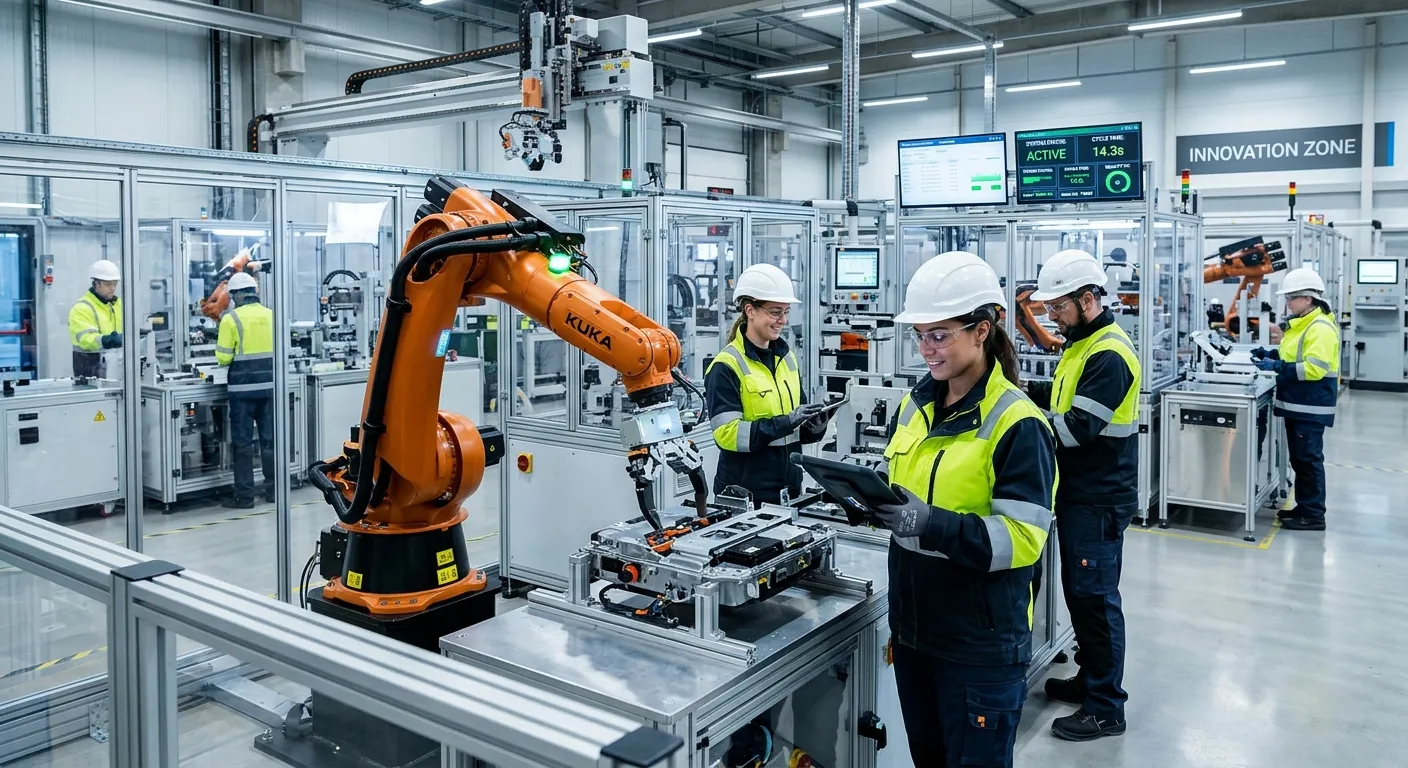
In the dynamic landscape of modern industry, Der Factory Com represents more than a concept—it's a paradigm for integrated manufacturing excellence, blending cutting-edge technology, streamlined processes, and, most critically, elite human talent. This comprehensive guide delves into the strategic framework of Der Factory Com, offering actionable insights for hiring managers, operations leaders, and business owners looking to build resilient, high-output production teams.
Hire Manufacturing Staff TodayNavigating the Der Factory Com Ecosystem
Explore the multi-faceted approach to modern manufacturing. Use the tabs below to understand the core pillars.
Strategic Talent Acquisition for Modern Factories
The heart of any Der Factory Com initiative is its people. Moving beyond traditional job boards requires a proactive talent-sourcing strategy. This involves creating compelling employer branding that highlights safety, innovation, and career progression. For businesses looking for staff in specialized roles—from CNC operators to maintenance engineers—leveraging niche platforms and partnering with specialized agencies is key.
Consider the Ultimate 2026 MSP Hiring Playbook for insights into structured recruitment frameworks that reduce time-to-hire by up to 40%. A successful Der Factory Com model doesn't just fill vacancies; it builds talent pipelines.
Integrating Smart Technology & Lean Processes
Technology integration is the backbone. This includes IoT for predictive maintenance, AI for quality control, and automation for repetitive tasks. However, technology must augment human skill, not replace it. Training your workforce to work alongside cobots (collaborative robots) is essential. Effective implementation often benefits from external expertise, similar to the transformative approaches outlined in Managed Services Beispiele.
Building a Scalable, Resilient Operation
A Der Factory Com strategy is inherently scalable. It involves creating modular production lines, cross-training staff, and developing flexible staffing plans that can ramp up or down based on demand. This agility is crucial for weathering supply chain disruptions or seizing new market opportunities. Incorporating a mix of permanent core staff and reliable temporary or casual labourer partnerships provides the necessary buffer.
Core Benefits & Features of a Der Factory Com Model
Implementing a Der Factory Com framework delivers tangible advantages across your operation. Here are the key pillars.
Elite Talent Density
Attract and retain top-tier manufacturing professionals by fostering a culture of innovation and continuous improvement. This goes beyond competitive pay, offering clear pathways for advancement and skill development, much like the opportunities highlighted for executive roles in Cebu.
Agile Workforce Scaling
Respond to order fluctuations and project demands with a dynamic staffing mix. Integrate a core permanent team with trusted temporary specialists, ensuring you never face the downtime of being short-staffed. For urgent needs, platforms dedicated to employer solutions can connect you with pre-vetted candidates rapidly.
Enhanced Operational Resilience
Build a supply chain for talent, just as you would for materials. Cross-training, succession planning, and diversified hiring channels (including tapping into global talent pools) make your factory resilient to market shocks and skills shortages.
Implementing Der Factory Com: A Step-by-Step Hiring Blueprint
Transforming your manufacturing facility into a modern Der Factory Com requires a structured approach to human capital. It's not just about posting a job; it's about architecting a talent ecosystem.
Pro-Tip: Define Future Skills, Not Just Current Roles
When Der Factory Com planning, forecast the technical and soft skills needed for next-generation manufacturing (e.g., data literacy, basic robotics programming, problem-solving under AI-assisted workflows). Hire for adaptability and learning agility.
Begin by conducting a comprehensive skills audit of your current team. Identify gaps that could hinder automation integration or lean process adoption. Then, craft job descriptions that appeal to the modern industrial worker—emphasizing tech collaboration, safety culture, and impact. For immediate staffing solutions, such as an Urgent Maintenance Technician in Burnley, speed and precision in hiring are non-negotiable.
Learn how to scale your team rapidly to meet production demands.
Technology & The Human Element in Der Factory Com
The synergy between advanced technology and skilled personnel is the defining characteristic of a successful Der Factory Com. AI-driven analytics can predict machine failure, but it takes an experienced technician to interpret the data and perform the repair.
- Upskilling is Mandatory: Invest in continuous training programs that equip your workforce to operate and maintain new technologies.
- Change Management: Introducing new systems requires clear communication and involving floor staff in the implementation process to reduce resistance.
For insights into the future of hiring in this tech-augmented landscape, review the Ultimate Guide to Modern Talent Sourcing. It provides strategies for attracting candidates who are comfortable in a high-tech, collaborative environment.
Der Factory Com: Frequently Asked Questions
Get expert answers to the most common questions about implementing a modern manufacturing talent and operations model.
Traditional hiring often focuses on filling a specific, static role (e.g.,"Lathe Operator"). Der Factory Com approaches talent as a dynamic, integrated component of the production system. It emphasizes hiring for potential and adaptability, creates flexible workforce blends (permanent, temp, gig), and deeply aligns recruitment with long-term technological and business strategy. It's about building a talent pipeline, not just reacting to vacancies.
Speed and quality are achievable by leveraging multiple channels simultaneously:
- Use specialized job boards and industry networks.
- Partner with recruitment agencies that have proven expertise in your sector, similar to the approach for niche roles like an Immediate Start Nursery Nurse in Doncaster.
- Promote internal referrals and develop an apprenticeship program to grow talent in-house.
For the fastest route to pre-vetted candidates, you can post your job requirement here.
Absolutely. In fact, SMEs can often implement Der Factory Com principles more agilely than large corporations. The key is to focus on the core tenets: flexibility, strategic hiring, and smart technology adoption on a scalable budget. Start by cross-training your existing team to increase versatility. Utilize flexible staffing solutions to handle peak periods without committing to full-time overhead. Explore platforms where professionals look for work to find skilled individuals open to project-based or temporary roles that can grow with your business.
Ready to Build Your Der Factory Com?
Transform your manufacturing operation with a strategic blend of elite talent and modern processes. The future of production is integrated, agile, and human-centric.
Whether you need a full production team overhaul or a single Der Factory Com-minded specialist to lead a digital transformation, taking the first step defines your competitive edge for the next decade.
Der Factory Com in Action: Real-World Case Studies
Examining how leading manufacturers have implemented Der Factory Com principles to solve critical challenges and achieve measurable results.
Automotive Component Manufacturer: Bridging the Skills Gap
A Tier-1 supplier faced a critical shortage of technicians capable of maintaining their new AI-assisted robotic welding lines. Traditional hiring yielded candidates with either legacy welding skills or basic robotics knowledge—but not the integrated expertise needed.
The Der Factory Com Solution: Instead of searching for unicorn candidates, they partnered with a technical college to create a bespoke 12-week upskilling program for their existing welding staff. Concurrently, they used a targeted campaign on niche engineering platforms to attract two"Digital Line Leaders" with mechatronics backgrounds. This hybrid approach of internal development and strategic external hiring reduced line downtime by 65% within six months and increased overall equipment effectiveness (OEE) by 22%.
Key Takeaway:
The talent for next-gen manufacturing often doesn't exist in a single person. Der Factory Com thinking involves creating it through strategic partnerships and role segmentation.
Pharmaceuticals SME: Achieving Agile Scaling for Seasonal Demand
A mid-sized producer of sterile medical devices experienced extreme demand peaks requiring a 40% increase in packaging and quality control staff for 8-10 weeks annually. Permanent hiring was cost-prohibitive, and general temp agencies couldn't provide the necessary GMP-trained personnel.
The Der Factory Com Solution: They developed a"Perennial Talent Pool" of pre-vetted, certified contract workers. By working with a specialized healthcare manufacturing recruiter (a strategy akin to sourcing specialized care staff), they built relationships with professionals who valued flexible, recurring engagements. Each year, the same cohort returned, drastically reducing onboarding time and ensuring compliance. This model turned a seasonal liability into a predictable, high-quality operational asset.
Key Takeaway:
Operational agility is a talent strategy. Building a dedicated, on-demand talent community is more reliable and efficient than scrambling in a competitive temporary labor market.
The ROI of Der Factory Com: Quantifying the Investment
Moving to a Der Factory Com model requires upfront investment in talent strategy and technology. Here’s how the numbers justify the shift.
Reduction in Time-to-Productivity
Strategic hiring and integrated onboarding for tech-augmented roles get new hires contributing to full capacity faster, directly impacting project timelines and output.
Increase in Retention
A culture focused on upskilling, clear career paths, and meaningful human-machine collaboration significantly reduces turnover, saving on constant re-hiring costs.
OEE Improvement
Optimizing the human-technology interface minimizes unplanned downtime and quality defects, directly boosting Overall Equipment Effectiveness and yield.
Building the Business Case: Beyond Labor as a Cost Center
In traditional models, workforce planning is often a reactive cost. Der Factory Com reframes talent as a strategic asset that drives capital efficiency. For instance, a well-trained operator using predictive analytics can extend the lifespan of a $500,000 CNC machine by years. A flexible staffing model prevents a $100,000/week production line from sitting idle due to a skills gap.
The initial investment in a dedicated talent acquisition partner, modern recruitment tech stack, and training programs should be measured against these tangible gains: reduced machine downtime, lower scrap rates, faster new product introduction (NPI), and the ability to accept more complex, profitable orders. This is the core financial logic of Der Factory Com: it turns human capital management from an overhead line item into a direct contributor to margin expansion and revenue growth.
Future-Proofing Your Workforce: The 2028 Skills Horizon
Der Factory Com is not a one-time initiative but a continuous evolution. The skills that will define manufacturing competitiveness in the next five years are already emerging. Proactive organizations are mapping these competencies today.
-
AI Collaboration & Prompt Engineering
Floor staff will need basic skills to interact with, question, and guide AI systems for diagnostics, quality control, and workflow optimization—moving from operators to"machine collaborators."
-
Cybersecurity for Operational Technology (OT)
As factories become more connected, every technician will need awareness of cyber-physical risks. Understanding basic network segmentation and threat detection for SCADA and IoT systems will be as fundamental as lockout-tagout procedures.
-
Sustainable Production & Circular Economy Logistics
Talent will need to design for disassembly, manage reverse logistics, and optimize energy and material flows. This shift creates new roles like"Circular Process Engineers" and demands a new mindset from the entire production team.
Preparing for this horizon means hiring for learnability today. It means scrutinizing your current L&D programs and ensuring they are not just teaching current tools, but fostering the cognitive flexibility needed to master the tools of tomorrow. Resources like the 2026 Talent Sourcing Guide provide a framework for identifying these attributes in candidates.
Avoiding Der Factory Com Implementation Pitfalls
Even with the best intentions, transitions can falter. Recognizing these common challenges is the first step to navigating them successfully.
Pitfall 1: Technology First, People Second
Investing millions in smart machinery and IoT platforms without a parallel investment in change management and skills development is a recipe for failure. The technology becomes underutilized or, worse, actively resisted by the workforce.
The Avoidance Strategy: Run pilot projects with volunteer"tech champion" employees. Involve floor staff in technology selection and implementation planning from day one. Allocate at least 30% of any technology budget to training, change communication, and ongoing support. Remember, the goal is a collaborative system, not an automated replacement.
Pitfall 2: Siloed Talent & Operations Strategy
When HR recruits based on generic job descriptions while operations plans for specific technological integrations, a critical mismatch occurs. You hire a great machinist, but they lack the data sensibility needed for your new digital twin environment.
The Avoidance Strategy: Create a cross-functional"Workforce Architecture Team" with leaders from HR, Operations, IT, and Engineering. This team co-authors"role blueprints" that detail the technical, cognitive, and collaborative skills needed for future roles. They own the talent lifecycle, ensuring alignment. For urgent needs that fall outside the core blueprint, such as finding an Urgent Maintenance Technician, this team can rapidly adapt the strategy.
Pitfall 3: Underestimating Cultural Transformation
Der Factory Com requires a shift from a command-and-control, efficiency-at-all-costs culture to one of experimentation, collaboration, and continuous learning. If middle management is not onboard, they will inadvertently sabotage new initiatives.
The Avoidance Strategy: Leadership must model the new behaviors. Celebrate learning milestones as much as production targets. Redefine key performance indicators (KPIs) for managers to include team skill development and innovation metrics. Provide coaching for supervisors to help them transition from"bosses" to"coaches and facilitators" of human-machine teams.
Pitfall 4: Neglecting the Employer Value Proposition (EVP)
You cannot attract Der Factory Com talent with a legacy employer brand. Top candidates in mechatronics, data analytics, and sustainable design have options and seek employers who offer cutting-edge work, growth, and purpose.
The Avoidance Strategy: Audit and rebuild your EVP. Showcase your technology, your commitment to upskilling, and the meaningful impact of your products. Use video tours, employee stories, and clear data on career progression. Actively manage your presence on platforms like where modern professionals look for work. Your talent brand must communicate that you are a factory of the future, not the past.
Your Der Factory Com Journey Starts Now
Implementing this paradigm is a strategic marathon, not a tactical sprint. The competitive divide between traditional manufacturers and those embracing Der Factory Com will widen exponentially in the coming years. The time to build your roadmap is today.
Immediate Next Steps (Next 30 Days)
- Conduct a Capability Audit: Map your current workforce's skills against the technology you have today and plan to implement in the next 18 months. Identify the single most critical gap.
- Form Your Cross-Functional Team: Assemble the"Workforce Architecture Team" mentioned earlier. Their first deliverable should be a draft"Future Role Blueprint" for your most talent-critical area.
- Pilot One Initiative: Choose one small, manageable project—for example, upskilling a team of five on a new IIoT dashboard or hiring your first"automation collaborator" role. Measure everything: time, cost, output, and employee sentiment.
- Engage a Strategic Partner: For most organizations, going it alone is slow and risky. Identify a recruitment or talent strategy partner with proven expertise in modern manufacturing. Whether you need to fill a niche role like a Manufacturing Executive or design an entire flexible staffing model, the right partner accelerates your journey.
Ready for a detailed assessment? Connect with a specialist to evaluate your operation and build a customized Der Factory Com implementation plan.
