
Secure Your Premises: The Ultimate Guide to Elite Mobile Patrol Services
Discover how dynamic, on-demand security solutions can transform your asset protection and find the skilled professionals to implement them today.
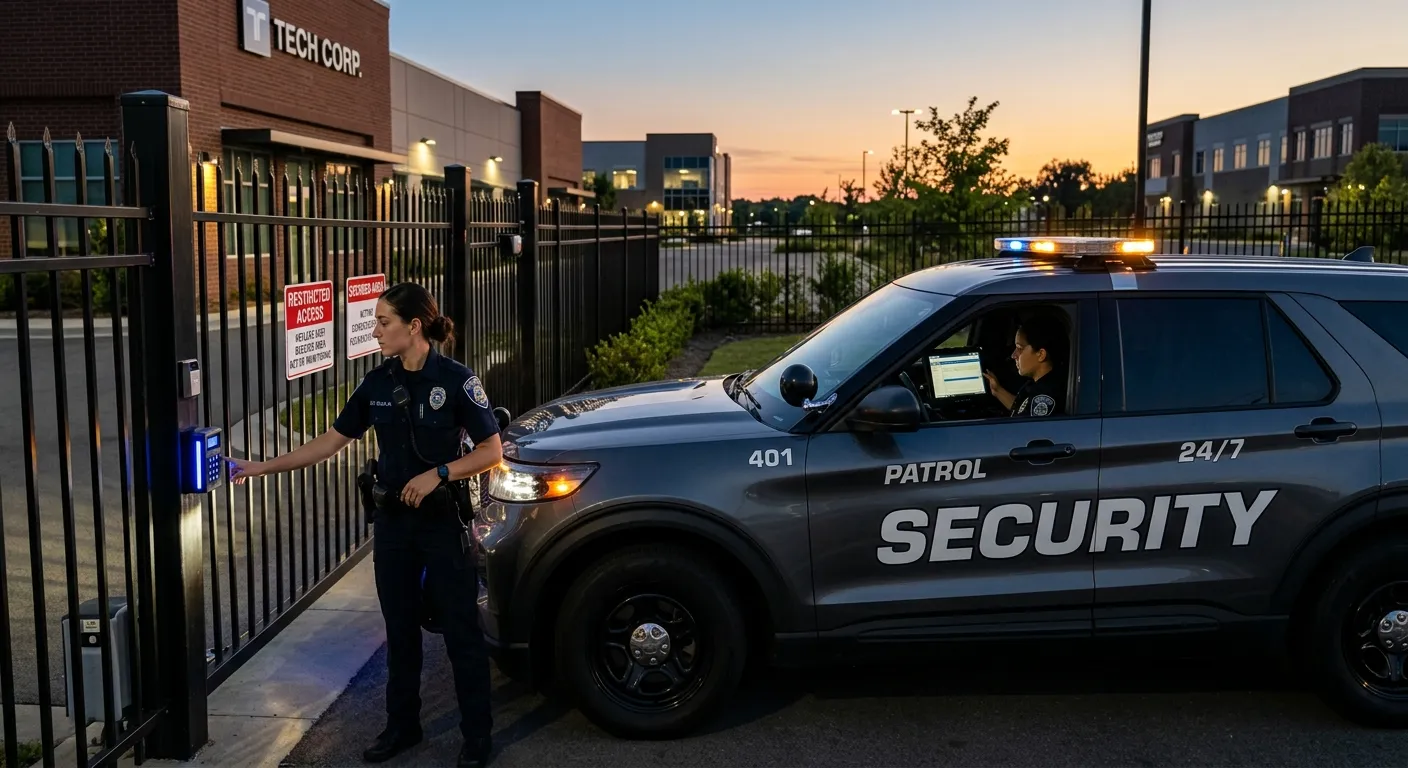
Multi-Category Overview of Mobile Security
Mobile patrol services are not a one-size-fits-all solution. Explore the different operational models to identify the best fit for your security needs, from reactive checks to proactive deterrence.
The Power of Visible Presence
Proactive mobile patrols are the cornerstone of preventative security. By maintaining a randomized, highly visible presence, these services dramatically reduce the likelihood of criminal activity. Officers perform systematic checks of access points, perimeter fencing, outbuildings, and lighting, creating an environment where intruders feel constantly watched. This model is ideal for large industrial estates, construction sites, and retail parks where static guards are not cost-effective. The key is unpredictability; patrols follow no set pattern, making it impossible for would-be criminals to anticipate a security officer's movements. For businesses looking to implement this, our guide on Modern Talent Sourcing details how to find officers with the right observational skills and initiative.
💡 Pro Tip: When hiring for proactive patrol roles, prioritize candidates with demonstrated situational awareness and excellent report-writing skills. Their detailed logs are your first line of legal defense and insurance evidence.
Rapid Response & Incident Management
This category focuses on speed and resolution. Mobile patrol units act as first responders to alarm activations, system alerts, or reports of suspicious activity. The primary value is minimizing loss and securing a site after a breach has been detected. A rapid response team is trained to assess situations calmly, liaise with emergency services, and conduct preliminary investigations. This service is often bundled with keyholding and property lock-up services, providing complete peace of mind for property managers. The effectiveness hinges on the officer's training and the operational logistics of the patrol area. Similar to the urgency needed in urgent maintenance roles, the ability to deploy qualified personnel quickly is paramount.
Tailored Protection for High-Value Assets
Some assets require more than a routine check. Specialized patrols involve officers with specific training to protect high-value, sensitive, or hazardous sites. This includes patrols for fuel depots, telecoms infrastructure, pharmaceutical warehouses, or high-end residential complexes. Officers may be trained in environmental monitoring, specific access control systems, or working alongside advanced surveillance technology. This mirrors the need for specialized knowledge in fields like Mechanical Engineer Recruitment, where niche expertise is non-negotiable. The patrol strategy is meticulously planned around the unique vulnerabilities of the asset.
Core Benefits of Professional Mobile Patrol Services
Investing in mobile security delivers a multi-layered return, from direct cost savings to intangible brand protection.
Cost-Effective Coverage
One mobile patrol officer can secure multiple locations in a single shift, providing wider geographical coverage at a fraction of the cost of multiple static guards. This operational efficiency allows for significant budget savings while maintaining or even improving security levels. It's a scalable solution perfect for businesses with several satellite sites or large, sprawling premises.
Enhanced Flexibility & Scalability
Services can be easily scaled up or down based on seasonal demand, specific project requirements, or changing threat levels. Need extra patrols during a holiday closure or a major inventory period? Mobile patrol contracts are inherently flexible, much like the model described in our resource on Managed Services. This adaptability is crucial in today's dynamic business environment.
Detailed Digital Reporting
Modern patrols leverage GPS tracking, digital reporting apps, and photo/video evidence. Clients receive real-time or daily reports with time-stamped logs, geo-tagged checkpoints, and visual proof of inspections. This creates an invaluable audit trail for management, insurance claims, and legal proceedings, transforming security from an opaque cost into a transparent, data-driven business function.
Implementing a Mobile Patrol Strategy: A Step-by-Step Guide
Success depends on more than just hiring a guard and giving them keys. A strategic implementation involves careful planning, clear communication, and integration with your existing operations.
- 1 Risk Assessment: Conduct a thorough site survey to identify critical vulnerabilities, high-value assets, and optimal patrol routes.
- 2 Service Level Agreement (SLA): Define clear metrics: response times, number of daily visits, reporting standards, and escalation procedures.
- 3 Technology Integration: Ensure patrol GPS systems can interface with your access control or alarm monitoring software for a unified view.
- 4 Staff Vetting & Training: This is the most critical step. Use a dedicated platform like our Employer hub to source SIA-licensed officers with clean backgrounds and proven experience.
Expert Insight: The Hiring Imperative
"The biggest mistake companies make is treating mobile patrol hiring as a generic security role. The ideal mobile officer is a unique blend of independent problem-solver, excellent communicator, and meticulous record-keeper. They operate without direct supervision for hours, making judgment calls that can have significant legal and financial implications. A rushed hire here is more costly than in almost any other position."
– Security Operations Director, HireNow.
The Human Element: Building Your Security Team
Technology is an enabler, but your patrol officers are the frontline. Understanding how to recruit, train, and retain top talent is the ultimate competitive advantage in security.
This video delves into the strategic reasons behind hiring timelines and how a specialized platform can connect you with pre-vetted mobile patrol professionals in record time, ensuring your security posture is never compromised by a vacancy.
Advanced Considerations for 2026 & Beyond
Integration with AI & IoT
The future of mobile patrols lies in symbiosis with artificial intelligence and the Internet of Things. Imagine patrol vehicles equipped with automated license plate recognition (ALPR) that cross-references against watchlists in real-time. Officers receiving real-time data feeds from smart sensors on fences, gates, and environmental monitors. The patrol officer evolves from a simple observer to a technologically-augmented security conductor, responding to intelligent alerts rather than relying solely on human sight. This requires a new skill set, blending traditional security acumen with basic tech literacy.
The Hybrid Security Model
Increasingly, the most effective strategy combines mobile patrols with other flexible staffing solutions. For instance, a construction site might use a static casual labourer for daytime gate duty, while a dedicated mobile patrol covers the overnight shift for multiple sites. This hybrid approach maximizes budget efficiency and coverage. Similarly, a corporate office park might employ a remote receptionist for after-hours access control, with mobile patrols providing the physical verification and perimeter checks. This model is explored in our analysis of immediate start roles and their impact on operational fluidity.
Frequently Asked Questions on Mobile Patrol Services
There's no universal number, as it depends on site size, complexity, traffic conditions, and the required frequency of checks. A well-planned route might include 5-10 commercial units in a concentrated business park, or just 2-3 large, sprawling industrial facilities. The key performance indicator is not the number of sites, but adherence to the agreed-upon checkpoint frequency and response time SLA. A professional provider will design the route based on your specific security requirements, not an arbitrary quota.
In the United Kingdom, the vast majority of mobile patrol officers are not armed. They operate under the standards of the Security Industry Authority (SIA) license, which for static and patrol roles does not authorize firearm carriage. Their primary tools are observation, communication, deterrence, and detailed reporting. They are trained in conflict management and physical intervention as a last resort, but their main function is to observe, report, and act as a rapid liaison with the police. For sites requiring armed protection (e.g., high-value cash transit, certain diplomatic premises), specialized licenses and contracting are involved, which is a separate and highly regulated field.
Think of it as the difference between a stationary sentry and a cavalry scout. A security guard is typically static, assigned to a single fixed post like a gatehouse, lobby, or warehouse entrance. Their focus is continuous monitoring of a specific, limited area. A mobile patrol officer is dynamic, covering multiple points across one or several sites. Their value lies in unpredictability, wider visual coverage, and the ability to respond to incidents across a larger area. Both require an SIA license, but the roles demand different mindsets and operational procedures. For hiring multiple security profiles, our Looking For Staff portal streamlines the process.
Absolutely, and this integration is a major force multiplier. Advanced mobile patrol providers can offer officers who have remote, secure access to your CCTV feeds via encrypted mobile devices. This means an officer responding to an alarm can view live footage from the affected area before arriving on scene, greatly enhancing situational awareness. Conversely, your control room operators can direct patrols to specific locations where the CCTV has detected unusual activity. This creates a closed-loop, proactive security system far more effective than either component in isolation.
Ready to Fortify Your Operations?
Don't let a security gap become a costly breach. Whether you need to hire a single mobile patrol officer for a critical site or build an entire fleet for a national portfolio, the right talent is available now. Transform your security from a reactive cost into a proactive, value-driven business asset.
Need strategic advice on structuring your security team? Explore our Ultimate Guide to Modern Talent Sourcing for in-depth frameworks.
Real-World Impact: Mobile Patrol Case Studies
Examining tangible outcomes demonstrates the measurable ROI of professional mobile security services beyond theoretical benefits.
Construction Consortium Reduces Loss by 78%
Challenge: A consortium managing three large residential construction sites across Manchester faced chronic losses of copper wiring, tools, and machinery. Static guards were cost-prohibitive, and sporadic police patrols were ineffective. The sites experienced an average of 2-3 incidents per month, causing project delays and insurance premium hikes.
Solution: Implementation of a dedicated two-officer mobile patrol unit operating from 8 PM to system, with randomized routes and mandatory digital checkpoint scans at 27 vulnerable points across the three sites (material compounds, site offices, perimeter breaches). Officers were equipped with bodycams and a direct link to a regional security operations center.
Outcome: Within the first quarter, reported incidents dropped to two minor attempts, both deterred by patrol presence. Over 12 months, the consortium recorded a 78% reduction in loss value, a 15% decrease in insurance costs, and eliminated all project delays related to theft. The detailed GPS logs successfully supported two insurance claims for unrelated weather damage, providing indisputable proof of secured premises.
Key Takeaway
Mobile patrols provided scalable, evidence-based security for dispersed assets, turning a variable cost (loss) into a fixed, predictable operational expense.
Retail Park Mitigates Anti-Social Behaviour
Challenge: A Midlands retail park with a cinema and several restaurants became a nighttime hub for loitering, graffiti, and vandalism after trading hours. This damaged tenant relations, increased cleaning costs, and created a perception of insecurity that threatened lease renewals.
Solution: A hybrid model was deployed: a marked mobile patrol vehicle conducted highly visible laps of the car park and service areas every 45-90 minutes from 6 PM to 6 AM, supplemented by two foot patrol officers engaging in a"move-on" policy for groups. The team worked closely with local police, sharing patrol schedules and providing immediate reports via a dedicated portal.
Outcome: Reported anti-social behaviour incidents to police fell by over 90% within six weeks. Tenant satisfaction scores related to security improved from 4.2 to 8.7/10. The patrol's presence also identified and reported several maintenance issues (faulty lighting, broken fencing) proactively, allowing for faster repairs. The total cost was less than the previous year's combined repair, cleaning, and security reimbursement payouts to tenants.
Key Takeaway
A visible, communicative mobile presence can transform the environmental security and commercial perception of a public-facing property, protecting revenue and community relations.
The Hiring Blueprint: Securing Your Ideal Mobile Patrol Officer
Finding a guard is easy. Recruiting a mobile patrol professional who will become a strategic asset requires a targeted process. Here is a breakdown of the non-negotiable criteria and evaluation stages.
Pre-Screening & Compliance
- ✓ Valid SIA License: Frontline Security Guarding or Door Supervision license is mandatory. Verify via the SIA's online checker.
- ✓ Clean DBS Check: An Enhanced DBS certificate is standard for the role.
- ✓ Right to Work: Original documents must be verified in person.
- ✓ Full Driving License: Check for endorsements; a clean license is often required for insurance.
Competency & Scenario Assessment
- ✓ Report Writing Test: Provide a mock incident description (e.g.,"found a breached fence"). Evaluate for clarity, accuracy, objectivity, and inclusion of essential details (time, location, actions taken).
- ✓ Map & Route Planning: Ask them to plan an efficient patrol route between 3-5 points on a local map, factoring in time and traffic.
- ✓ Radio Procedure & Communication: Simulate a radio check-in or alarm call-in. Assess clarity, calmness, and conciseness.
Operational & Cultural Fit
- ✓ Independent Work Ethic: Probe for examples of working unsupervised for long periods. How do they manage motivation and vigilance?
- ✓ Technology Affinity: Discuss their experience with patrol apps, GPS devices, or body-worn cameras. Willingness to learn new systems is critical.
- ✓ Client-Facing Demeanor: Role-play an interaction with a concerned tenant or a member of the public. The officer represents your brand.
This rigorous process mirrors the precision needed in hiring other specialized operational roles, such as a Logistics Supervisor, where procedural adherence and independent judgment are equally paramount.
Cost Analysis: Mobile Patrols vs. Static Security
Understanding the financial dynamics is crucial for budget holders. Below is a comparative breakdown based on a typical 12-hour night shift coverage for three separate sites within a 10-mile radius.
| Cost Factor | Static Guard Solution (3 Guards) |
Mobile Patrol Solution (1 Patrol Officer) |
Notes & Implications |
|---|---|---|---|
| Direct Labour Cost | £750 - £900 | £250 - £300 | Based on average hourly rates. Mobile patrol covers all three sites sequentially. |
| Vehicle & Fuel | Minimal | £40 - £60 | Patrol vehicle cost, including fuel, maintenance, and insurance. Often bundled in service fee. |
| Management & Supervision | High | Low | Three static guards require more direct management, scheduling, and site-specific training. Mobile officer is managed via remote telematics and digital reporting. |
| Coverage Flexibility | None | High | Static guards cannot be redeployed without notice. Patrol routes can be adjusted in real-time to address emerging threats at any site. |
| Deterrence Value | Localized | Wide-Area & Unpredictable | A moving patrol creates a"sphere of security" that is psychologically more deterrent across a wider area. |
| Total Operational Impact | Fixed, High-Cost, Inflexible | Dynamic, Cost-Effective, Agile | For multi-site operations, mobile patrols offer superior strategic and financial efficiency, akin to the benefits of optimized managed services in other sectors. |
This analysis demonstrates that while the hourly rate for a mobile patrol officer might be slightly higher due to vehicle costs, the cost-per-secured-site is dramatically lower. The model shifts security from a fixed, personnel-heavy overhead to a dynamic, technology-enabled service.