
The Heart of the Home: Your Essential Guide to the Nursing Home Receptionist
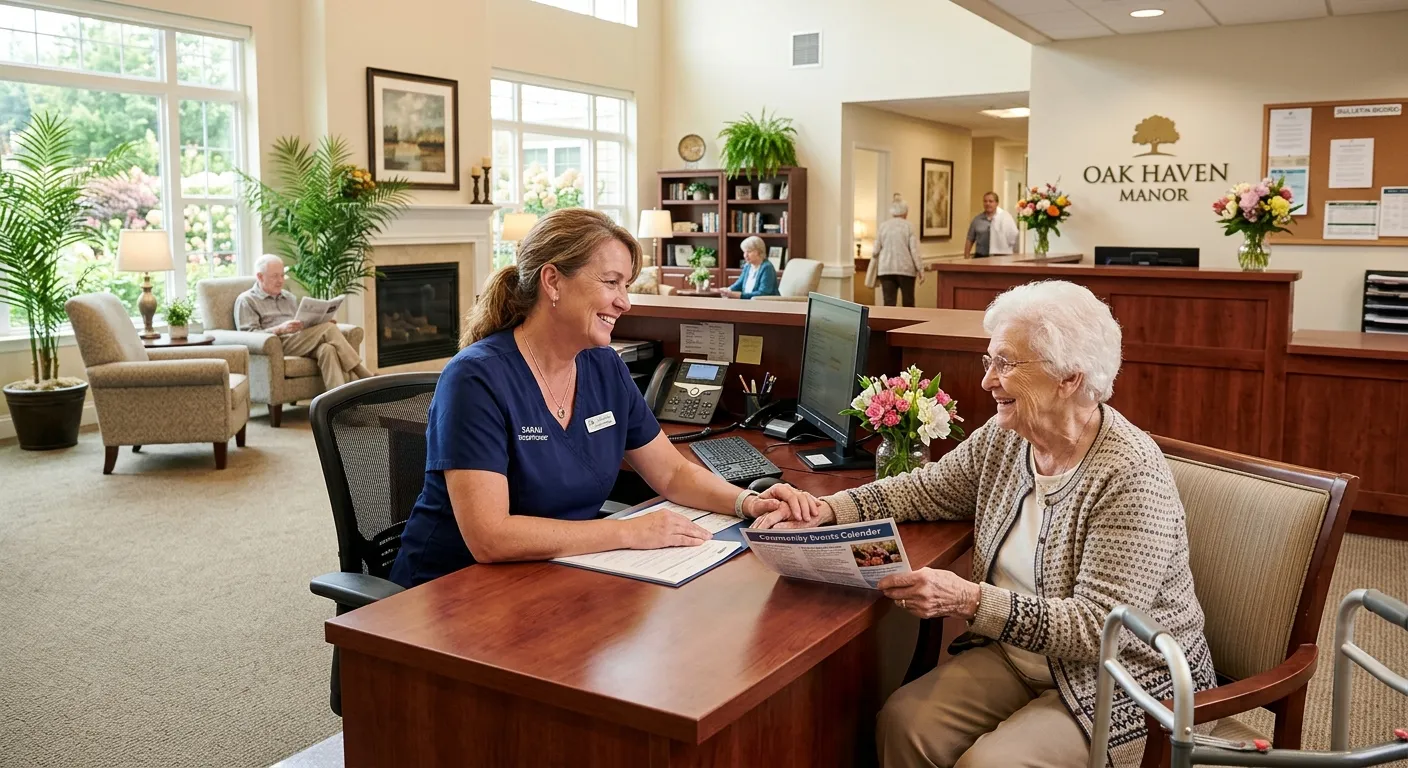
More than just a front desk role, the Nursing Home Receptionist is the first point of contact, the calming presence, and the operational linchpin of any senior care facility. This comprehensive guide explores the multifaceted role, essential skills, and strategic hiring insights needed to secure this vital professional, ensuring your facility runs smoothly and residents feel truly at home.
Interactive Role Overview
A Nursing Home Receptionist operates at the critical intersection of healthcare administration, hospitality, and family liaison. They are responsible for managing the front desk, handling inquiries from concerned families, coordinating with clinical staff, and ensuring a serene, organized environment. Unlike a standard corporate receptionist, this role demands a profound level of empathy, discretion, and resilience, as they often interact with residents experiencing health challenges and families under emotional stress.
Their work directly influences the facility's reputation, operational efficiency, and, most importantly, the quality of life for residents. A stellar receptionist can de-escalate tense situations, streamline communication between departments like nursing and dietary services—where even the Assistant Sous Chef may need to coordinate special meals—and create an atmosphere of trust and warmth from the moment anyone walks through the door.
- Exceptional Communication: Must convey complex information clearly to residents, families, doctors, and staff like maintenance or kitchen teams.
- Empathy & Emotional Intelligence: The ability to read emotions and respond with compassion is non-negotiable.
- Multitasking & Organization: Juggling phone lines, visitor logs, appointment scheduling, and administrative tasks simultaneously.
- Technical Proficiency: Comfort with healthcare software (EMR systems), phone systems, and standard office suites.
- Problem-Solving Under Pressure: Calmly handling emergencies, missing supplies, or distressed visitors.
- Discretion & Confidentiality: Adhering strictly to HIPAA and GDPR regulations regarding resident information.
From the morning shift start, the receptionist sets the tone. They greet residents by name, accept deliveries of critical medical supplies, schedule family visitations, and act as the communication hub. They might liaise with the activities coordinator about a resident's preference or alert the Assistant Sous Chef about a newly admitted resident's dietary restrictions. Their role is reactive—handling walk-ins and calls—and profoundly proactive, anticipating needs and preventing issues before they arise. This constant, dynamic impact makes them indispensable to daily operations.
Why This Role is a Cornerstone of Care
First & Lasting Impressions
The receptionist crafts the initial experience for families choosing a home for their loved ones. Their professionalism and warmth can be the deciding factor in occupancy rates, directly affecting revenue and community standing.
Operational Efficiency Hub
By managing schedules, filtering non-urgent calls from urgent ones, and coordinating inter-departmental requests, they free up clinical and managerial staff to focus on direct care, reducing operational friction.
Emotional Support Anchor
They provide a consistent, reassuring presence for residents who may feel confused or lonely and offer a sympathetic ear to anxious family members, contributing significantly to the overall psychosocial well-being within the home.
Pro-Tip: The Hiring Mindset
When hiring a Nursing Home Receptionist, look beyond clerical speed. Prioritize candidates who demonstrate innate compassion and situational awareness. Role-play scenarios involving a distressed family member or a resident's request. The ideal candidate shows patience, active listening, and knows when to escalate an issue to a nurse or manager. Leveraging a specialized platform can streamline finding such talent; explore the dedicated portal for employers to connect with pre-vetted professionals who understand the unique care sector environment.
A Deep Dive: Responsibilities & Daily Workflow
The job description for a Nursing Home Receptionist is expansive. Below is a breakdown of their core responsibilities, illustrating why this role is both administrative and deeply human-centric.
Core Administrative Duties
The administrative backbone includes managing a multi-line phone system, handling all incoming and outgoing mail, maintaining meticulous visitor and contractor logs for security, and updating resident information databases with strict confidentiality. They process paperwork for new admissions and discharges, schedule appointments for residents with external specialists, and manage the facility's master calendar for meetings, inspections, and social events. This logistical prowess ensures compliance and smooth day-to-day function, much like how an Assistant Sous Chef manages kitchen inventory and schedules to ensure seamless meal service.
Communication & Liaison Functions
Acting as the central switchboard, the receptionist relays messages accurately and promptly between nursing staff, families, GPs, and allied health professionals. They often explain facility policies to visitors and are trained to recognize signs of a resident in distress, initiating the appropriate emergency protocol. This requires a masterful balance of transparency and discretion, ensuring information is shared appropriately without violating trust. For insights into building a team with such strong communication skills across sectors, reviewing a strategic talent sourcing guide can provide valuable frameworks.
Related Insight: Understanding the interview dynamics in care roles can help in selecting the right front-desk professional.
Support for Residents & Families
This is where the role transcends administration. The receptionist may assist residents with small requests, help a visitor find their loved one's room, or simply offer a warm, daily greeting that combats isolation. They coordinate with other departments to fulfill resident needs—for example, communicating a preference for softer food to the Assistant Sous Chef or reporting a maintenance issue in a common area. Their observational skills can be critical, noting changes in a resident's mood or mobility during check-ins. This holistic support is what transforms a facility from a building into a home.
Strategic Hiring: Finding Your Ideal Receptionist
Filling this pivotal role requires a targeted strategy. The candidate pool must be screened for both technical competency and the intangible qualities of empathy and resilience. Crafting a compelling job advert is the first step—clearly outlining the unique environment of a nursing home versus a corporate office.
Utilizing a specialized recruitment agency that understands the care sector can dramatically improve hire quality and reduce time-to-fill. These agencies pre-screen for the necessary temperament and skills, presenting you with candidates who are genuinely prepared for the role's challenges. For facilities in major hubs, exploring resources to find recruitment specialists in Leeds or similar cities can connect you with local talent networks adept at sourcing for care environments. Understanding the benefits of a streamlined hiring partnership can reveal significant advantages in cost, efficiency, and retention.
Remember, a bad hire in this position can lead to family complaints, staff frustration, and regulatory oversights. The investment in a thorough hiring process, potentially including paid trial shifts or more in-depth scenario-based interviews, pays dividends in long-term stability and resident satisfaction.
FAQs: Nursing Home Receptionist Role
While a university degree is rarely mandatory, a high school diploma or equivalent is standard. Certifications in healthcare administration, first aid, or GDPR/data protection are highly advantageous. Crucially, prior experience in a customer-facing role within healthcare, hospitality, or social care is often valued more than specific academic qualifications. Employers seek proven skills in communication, software use, and, above all, demonstrable empathy and professionalism.
A Remote Receptionist typically handles calls, scheduling, and messages virtually. A Nursing Home Receptionist must be physically present to manage the front desk, interact directly with residents and visitors, handle physical documents and mail, and observe the environment. The in-person element is irreplaceable for building trust, providing immediate comfort, and handling tangible logistical tasks within the care setting.
Key challenges include emotional labor—managing one's own feelings while dealing with grief, anxiety, or frustration from others; high-pressure multitasking during emergencies or peak visiting times; and navigating complex family dynamics. Additionally, maintaining strict confidentiality while being approachable requires constant vigilance. Burnout can be a risk without proper support and clear boundaries from management.
Absolutely. This role provides a deep understanding of healthcare operations. Receptionists can progress into senior administrative roles, such as Office Manager, Admissions Coordinator, or Executive Assistant to the Home Manager. With further training, they might move into roles in healthcare administration, human resources within the care sector, or patient advocacy. The foundational experience is invaluable.
Ready to Hire Your Frontline Ambassador?
Your search for a compassionate, skilled, and reliable Nursing Home Receptionist ends here. Don't let a vacant front desk disrupt the harmony and efficiency of your care home. Partner with experts who understand the unique blend of skills this critical role demands.
Whether you need an immediate starter or are planning for future growth, our platform connects you with pre-screened professionals ready to become the welcoming heart of your facility. From the receptionist to the Assistant Sous Chef, we help you build a complete, harmonious team. For a broader look at filling all your staffing needs, visit our main employer hub.
Post Your Nursing Home Receptionist Job NowConnect with the right talent in days, not months.
Real-World Scenarios: A Day in the Life
To truly appreciate the depth of this role, let's examine three detailed scenarios a Nursing Home Receptionist might navigate, highlighting the judgment, skills, and compassion required each day.
The First Tour
A daughter arrives for a scheduled tour, visibly stressed about placing her father. The receptionist greets her by name, offers a comfortable seat, and provides a warm beverage before the manager arrives.
During the wait, the receptionist listens actively, answering basic questions about daily routines and subtly highlighting the home's community feel by sharing a positive, general anecdote (maintaining confidentiality). This initial human connection, established before the formal tour, often alleviates anxiety and sets a trusting tone for the entire visit.
Coordinating a Specialist Visit
A resident needs a podiatry appointment. The receptionist must coordinate between the resident's availability, the nurse's schedule for pre-appointment assistance, the family's preference to be notified, and the visiting podiatrist's limited slots.
This requires deft use of multiple calendars, clear communication via phone and email, and follow-up with all parties. A single miscommunication could lead to a missed appointment, resident discomfort, and family dissatisfaction. The receptionist's organizational skill ensures a seamless, stress-free experience for the resident.
Managing a Distressed Visitor
A family member arrives unannounced, upset about a perceived change in their loved one's care. The receptionist must first de-escalate the situation in the public lobby, employing calm tones and empathetic listening.
They then must professionally discern the core issue, assure the visitor it will be addressed, and know the exact protocol to alert the nurse-in-charge or home manager privately, without causing alarm to other residents or visitors. This protects the home's serene environment while ensuring legitimate concerns are routed correctly and promptly.
Building a Supportive Ecosystem: Interdepartmental Collaboration
The receptionist does not operate in a silo. Their effectiveness is multiplied through symbiotic relationships with every department. Understanding these connections is key for management to foster teamwork.
| Department | Typical Collaboration Points | Receptionist's Role |
|---|---|---|
| Nursing & Clinical Staff | Family inquiries, doctor call-backs, appointment logistics, emergency protocol initiation. | Acts as a filter and facilitator, ensuring nurses receive accurate, prioritized messages without unnecessary interruption to care. |
| Activities & Wellbeing | Sign-ups for events, communicating resident mood/interest, managing visitor attendance for performances. | A frontline observer who can relay resident feedback and encourage participation, boosting engagement rates. |
| Dietary & Kitchen (e.g., Assistant Sous Chef) | New admission dietary notes, last-minute visitor meal requests, feedback on meal preferences. | A critical communication channel ensuring dietary restrictions are logged and resident satisfaction is communicated, directly impacting nutritional care. |
| Maintenance & Housekeeping | Reporting issues, scheduling contractor access, logging safety concerns from residents. | The central logging point for non-clinical issues, ensuring the physical environment remains safe and comfortable. |
Case Study: The Proactive Intervention
Situation: At"Harborview Care," Receptionist Maria noticed that Mr. Jacobs, usually chatty at morning check-in, had been withdrawn and skipping the lobby coffee for three days. She logged her observational note in the home's shared communication system as a"wellbeing flag."
Action & Outcome: The Activities Coordinator saw the note and invited Mr. Jacobs for a one-on-one chat. It emerged he was struggling with new hearing aid settings, making group activities overwhelming. The nursing team had his hearing aids adjusted, and Activities arranged quieter, small-group sessions for him. Maria's proactive observation, communicated through the proper channel, prevented social isolation and addressed a health need before it escalated into a medical issue or formal complaint.
Takeaway: This exemplifies the receptionist's role as an early warning system. Their consistent, personal interaction with residents positions them uniquely to spot subtle changes that busy clinical staff might miss during structured rounds.
Essential Tools & Software for Success
Equipping your receptionist with the right technology is not an overhead cost; it's a force multiplier for efficiency and compliance. Beyond the standard phone and computer, familiarity with specific platforms is crucial.
Core Software Systems
- Electronic Medical/Health Records (EMR/EHR): Used to access basic resident profiles, dietary alerts, and authorized contacts. Receptionists need view-level access to verify information, not for clinical input.
- Visitor Management Systems: Digital check-in kiosks that log visitor details, print badges, and screen against internal watchlists. This enhances security and creates an audit trail for compliance.
- Facility Management Software: Platforms like Yardi or PointClickCare for tracking maintenance requests, room assignments, and inventory of non-medical supplies.
- Secure Communication Platforms: Tools like TigerConnect or generic encrypted email for sharing sensitive information with families or external professionals in compliance with HIPAA/GDPR.
The Analog Toolkit
Technology fails, and human touch sometimes requires simpler tools. A well-organized reception desk should also include:
- A Physical"Quiet Book": A binder with photos and key personal details (likes, family names, career highlights) of each resident, helping the receptionist connect personally and assist confused visitors.
- Clear Emergency Procedure Flip Charts: Laminated, step-by-step guides for fire, elopement, or medical emergencies at the desk for instant reference under pressure.
- Community Resource Directory: A curated list of local services (pharmacies, mobility aid suppliers, support groups) for families seeking additional help.
Investing in Retention: Supporting Your Receptionist
High turnover in this role is costly and disruptive. Retaining a skilled receptionist requires intentional support structures that acknowledge the role's emotional and operational demands.
Key Strategies for Management
-
Prioritize Psychological Safety & Debriefing
Create a formal, non-judgmental space for the receptionist to debrief after difficult interactions (e.g., an aggressive visitor or a resident's passing). Access to an Employee Assistance Program (EAP) should be standard. Validate that emotional labor is real work.
-
Provide Clear Pathways for Escalation
Empower the receptionist with unambiguous guidelines on when and to whom to escalate issues. A defined chain of command for clinical, familial, and operational problems reduces their stress and ensures matters are resolved efficiently.
-
Offer Cross-Training & Development
Prevent burnout and promote engagement by offering training in related areas, such as basic GDPR compliance, dementia awareness, or an introduction to medical terminology. This invests in the individual's growth and enhances their capability on the job.
-
Recognize Their Strategic Value Publicly
In team meetings and internal communications, explicitly acknowledge how the receptionist's work supports other departments. Celebrate instances where their vigilance or kindness made a difference. This fosters respect from colleagues and reinforces their integral role in the care team.
By extending the content to cover these practical scenarios, collaborative frameworks, toolkits, and retention strategies, you provide facility managers and hiring teams with a actionable, deep-dive resource. This goes beyond job description basics, offering the nuanced understanding necessary to hire, support, and retain the individual who will truly become the welcoming heart of the home.