
Strategic Managed Service Provider Recruitment: Build Your Elite Tech Team Today
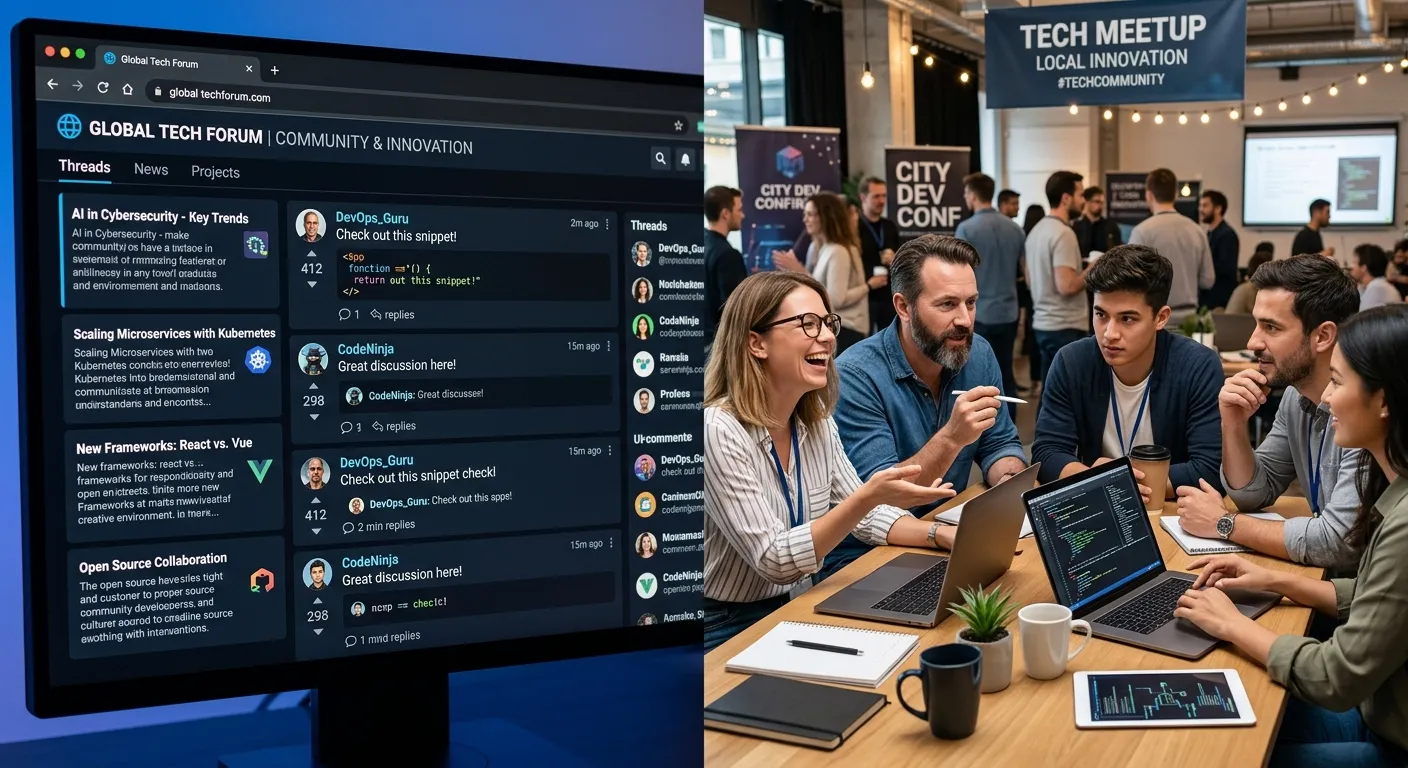
A comprehensive guide to sourcing, vetting, and hiring the specialized talent that powers modern IT infrastructures. Discover actionable strategies to streamline your MSP hiring process and secure a competitive edge.
Mastering MSP Talent Acquisition
Navigate the multifaceted world of Managed Service Provider Recruitment through our focused guides.
The Foundation of MSP Success
Managed Service Provider Recruitment is not merely about filling desks; it's about architecting a human firewall and innovation engine for your clients. Unlike generic IT hiring, MSP recruitment demands professionals who thrive in fast-paced, client-facing environments, managing multiple technologies and priorities simultaneously. The right team directly correlates with service delivery quality, client retention, and scalable growth. For a broader perspective on building teams, explore our dedicated resource for employers seeking staffing solutions.
This specialized field requires a blend of deep technical expertise, exceptional communication skills, and a proactive, service-oriented mindset. Recruiters must look beyond certifications to assess problem-solving agility and cultural fit within the high-pressure MSP ecosystem.
Proactive Sourcing & Engagement Tactics
Effective Managed Service Provider Recruitment employs multi-channel strategies. This includes targeted sourcing on niche tech forums, leveraging employee referral programs with attractive incentives, and building relationships with technical training academies. Passive candidate engagement is crucial; many top-tier MSP engineers are not actively job-seeking but may be open to compelling opportunities.
Pro-Tip:
Develop a"talent community" by hosting or sponsoring local tech meetups, cybersecurity workshops, or cloud computing seminars. This positions your MSP as a thought leader and creates a natural pipeline of engaged professionals familiar with your brand.
Incorporating modern assessment techniques, such as scenario-based technical interviews and live troubleshooting simulations, can reveal a candidate's practical skills more accurately than traditional Q&A. For a deeper dive into innovative sourcing, our Ultimate Guide to Modern Talent Sourcing offers advanced strategies applicable to the MSP landscape.
Navigating the Talent Shortage & Skill Gap
The most significant hurdle in Managed Service Provider Recruitment is the acute shortage of candidates with hybrid skills—those who can bridge network administration, cloud security, and customer success. The competition for such talent is fierce, with both other MSPs and in-house IT departments vying for the same individuals.
Solutions include investing in"grow-your-own" programs, where you hire for aptitude and attitude, then provide rigorous internal training and certification sponsorship. Another strategy is to look for staff with adjacent skills in system administration or helpdesk support who demonstrate the capacity and desire to upskill into more advanced MSP roles.
Furthermore, embracing flexible and remote work models can exponentially widen your talent pool, allowing you to tap into skilled professionals outside your immediate geographic area.
Why Optimized MSP Recruitment is a Force Multiplier
Transforming your hiring process delivers tangible business benefits.
Enhanced Client Security & Compliance
Recruiting specialists with up-to-date knowledge in cybersecurity frameworks (like NIST, ISO 27001) and compliance standards proactively safeguards client data. A skilled team implements robust defenses, conducts regular audits, and manages incident response, directly reducing risk and liability for your MSP and its clients.
Faster Incident Resolution & SLA Adherence
A team hired for both technical depth and critical thinking dramatically reduces Mean Time to Resolution (MTTR). This consistent ability to meet and exceed Service Level Agreements (SLAs) boosts client satisfaction, fosters trust, and is a key differentiator in a competitive market. It turns your support desk from a cost center into a client retention engine.
Scalable Service Delivery & Business Growth
Strategic Managed Service Provider Recruitment builds a scalable talent foundation. With the right mix of tiered expertise (from L1 support to cloud architects), your MSP can onboard new clients and handle increased ticket volumes without degrading service quality. This operational scalability is fundamental for pursuing growth targets and expanding your service offerings. See real-world applications in our article on Managed Services Beispiele.
A Step-by-Step Blueprint for MSP Hiring Success
Moving from reactive hiring to a structured recruitment process is transformative. This blueprint ensures you attract, assess, and onboard talent that will thrive in the MSP environment.
-
1
Role Definition & Competency Mapping
Go beyond the job title. Define the specific technologies (e.g., Azure, Fortinet, M365), client interaction levels, and soft skills (like patience and clear communication under pressure) required. Create a scorecard to evaluate candidates objectively.
-
2
Targeted Sourcing & Branded Outreach
Utilize platforms frequented by IT professionals. Craft outreach messages that speak to an engineer's desire for variety, challenge, and impact. Showcase your MSP's culture, learning opportunities, and client portfolio.
-
3
Structured Technical & Cultural Assessment
Implement a multi-stage interview: a technical screen (e.g., a real-world troubleshooting scenario), a peer interview with future team members, and a values-fit conversation with leadership. This holistic view prevents costly mis-hires.
Common Pitfalls to Avoid
Even seasoned recruiters can stumble when hiring for specialized MSP roles.
Over-prioritizing Certifications Over Problem-Solving
A candidate may hold impressive certs but lack the ability to think on their feet when a novel client issue arises. Always include practical, scenario-based evaluations.
Neglecting the"Service" in Managed Service Provider
The best technician can become your worst hire if they communicate poorly with stressed clients. Assess communication skills with role-plays or client email simulations.
Lengthy Hiring Processes
Top MSP talent is off the market in 10-15 days. Streamline your process. Use tools to schedule interviews faster and consolidate feedback promptly to make swift, confident offers.
Leveraging Technology in Recruitment
See how AI and modern tools are reshaping how agencies find and screen top talent, a trend highly relevant to efficient Managed Service Provider Recruitment.
Understanding the inner workings of a specialized recruitment agency can provide invaluable insights for refining your own MSP hiring strategy, especially when looking for staff in a competitive niche.
Managed Service Provider Recruitment FAQs
Expert answers to your most pressing hiring questions.
While technical prowess is essential, the following soft skills are what separate adequate hires from exceptional ones in an MSP context:
- Client-Centric Communication: The ability to translate complex technical issues into clear, understandable terms for non-technical clients, often while they are under significant business stress.
- Proactive Mindset: Moving beyond reactive ticket-solving to anticipate client needs, spot trends in issues, and recommend preventative solutions.
- Time & Priority Management: Juggling multiple client tickets, projects, and deadlines efficiently without letting quality slip.
- Collaboration & Knowledge Sharing: MSPs rely on shared intelligence. A hire who documents solutions thoroughly and helps uplift team skills is invaluable.
Leverage your agility and unique value proposition. While you may not match the base salary of a tech giant, you can offer:
- Variety & Impact: Emphasize the diverse range of technologies and business challenges they will encounter, avoiding the monotony of a single corporate stack.
- Career Velocity: Smaller, growing MSPs often allow for faster progression into senior and architectural roles, with exposure to leadership.
- Autonomy & Innovation: Give engineers a voice in tool selection and process improvement.
- Culture & Flexibility: Cultivate a strong, supportive team culture and offer genuine flexible or remote working options, which are highly prized. For candidates looking for work that offers growth and balance, this can be a decisive factor.
This depends on your internal bandwidth, expertise, and hiring urgency. A reputable agency specializing in IT infrastructure roles can provide significant value by:
- Accessing a Pre-vetted, Passive Talent Pool: They have networks and relationships you don't, including candidates not actively searching job boards.
- Saving Time & Resources: They handle sourcing, initial screening, and interview scheduling, freeing your technical leads to focus on core service delivery.
- Providing Market Intelligence: They can advise on competitive salary benchmarks and candidate expectations in your region.
The decision often boils down to a cost-benefit analysis: weigh the agency fee against the time-to-hire, quality of candidate, and the opportunity cost of leaving a role unfilled. For many MSPs, especially during growth spurts or when seeking highly niche skills, the partnership is worthwhile.
It is absolutely critical. Effective Managed Service Provider Recruitment doesn't end at the offer letter; it extends through the first 90 days. A poor onboarding experience is a leading cause of early attrition. A structured process should include:
- Technical Environment Immersion: Guided access to your RMM, PSA, documentation, and ticketing systems with clear protocols.
- Client & Culture Introduction: Formal introductions to key clients (where appropriate) and team members, alongside clear communication of company values and service standards.
- Phased Responsibility: Start with shadowing, move to supervised ticket handling, and gradually increase autonomy as competence and confidence grow.
- Mentorship: Pair the new hire with a seasoned engineer who can provide guidance and answer day-to-day questions.
This investment accelerates productivity, reinforces your choice to hire them, and solidifies their long-term commitment to your MSP.
Ready to Transform Your MSP Team?
Stop letting talent gaps limit your growth and client satisfaction. A strategic approach to Managed Service Provider Recruitment is your most powerful tool for building a resilient, high-performing team. Whether you need a remote receptionist to handle client calls or a senior cloud architect, the first step is defining your need and reaching the right audience.
Launch your search today and connect with the specialized professionals who will drive your managed services forward.
Post Your MSP Job Opening Now – Hire Staff TodayReach qualified candidates actively seeking their next role in the dynamic world of managed services.
Advanced Sourcing: Tapping into Hidden Talent Pools
Beyond job boards, innovative MSPs find their best hires in unconventional spaces. Here’s how to access under-the-radar candidates.
The Power of Community Engagement & Contribution
The most passionate and skilled IT professionals often contribute to online communities, open-source projects, or write technical blogs. They are problem-solvers by nature. By engaging in these spaces not as recruiters, but as contributors, you build authentic relationships.
-
Monitor Technical Q&A Platforms
Identify experts on platforms like Stack Overflow, Spiceworks, or vendor-specific forums (e.g., the Microsoft Tech Community) who consistently provide clear, accurate solutions. Their public answers are a live portfolio of their knowledge and communication style.
-
Sponsor or Host"Capture The Flag" Events
Cybersecurity talent is in extreme demand. Hosting a CTF event attracts individuals with the exact analytical and defensive skills MSPs need. It’s a high-signal, low-pressure environment to observe talent in action.
This approach requires patience and genuine involvement but yields candidates who are deeply invested in their craft—a trait that translates directly to superior client service.
Case Study: The"Grow-Your-Own" Success Story
A mid-sized MSP in the Midwest faced a crippling shortage of cloud security specialists. Instead of engaging in a bidding war, they launched an internal"SecOps Academy."
The Candidate Pool
They selected three high-potential L2 support engineers with strong foundational networking knowledge and a demonstrated curiosity about security.
The Program
A 6-month, paid rotation including formal certification courses (CompTIA Security+, CCSK), mentorship from a senior architect, and hands-on work on non-critical client security audits.
The Outcome
All three engineers successfully transitioned into hybrid cloud-security roles. Retention was 100% after 24 months, and the program ROI was calculated at 210% due to reduced hiring fees and increased service billability.
This case underscores that Managed Service Provider Recruitment isn't always external. Sometimes, the most loyal and effective talent is already within your organization, waiting for a development path.
Optimizing the Candidate Experience: From Click to Hire
In a candidate's market, your hiring process itself is a testament to your MSP's efficiency and culture. A poor experience can repel top talent.
The Application & Communication Phase
First impressions are formed online. Ensure your career page and application process reflect your technical professionalism.
- Mobile-Optimized Application: Over 70% of job seekers use mobile devices. A clunky form is an immediate drop-off point.
- Realistic Job Previews: Include a short video of the team or a"Day in the Life" description. This helps candidates self-select for the MSP pace.
- Automated, Human-Touch Acknowledgments: Use automation to confirm application receipt immediately, but ensure all subsequent communication is personal and timely. Ghosting candidates damages your employer brand.
The Interview & Assessment Phase
This is where you evaluate skills, but the candidate is also evaluating you as a future manager and workplace.
- Respect Their Time: Consolidate interviews. Avoid requiring candidates to repeat the same story for four different people on separate days.
- Provide Context: Before a technical assessment, briefly explain how this simulates real client work. It reduces anxiety and yields a more authentic performance.
- Involve Future Peers: A lunch or coffee chat with potential teammates (without management present) gives candidates a safe space to ask genuine questions and gauge team dynamics.
The Offer & Negotiation: Closing the Deal
The moment of truth. Speed and clarity are paramount. A muddled offer process can cause you to lose a candidate to a more decisive competitor.
Do This:
- Make a Verbal Offer First: Follow up immediately with the written details. This shows enthusiasm and allows for quick clarification of terms.
- Package the Total Value: Beyond salary, clearly articulate the monetary value of benefits, certification budgets, bonus structures, and retirement contributions.
- Highlight Growth Trajectory: Map out a potential 18-month career path within the offer conversation. Show them this isn't just a job, but a step in their career.
Avoid This:
- Lowballing After a Rigorous Process: It insults the candidate's value and wastes everyone's time. Know the market rate and offer competitively from the start.
- Being Inflexible on Non-Monetary Terms: If you can't move on salary, can you offer a signing bonus, extra vacation days, or a guaranteed training budget?
- Letting Silence Linger: After sending the written offer, check in within 48 hours. Be prepared to answer final questions and reaffirm why they are your chosen candidate.
Remember, the candidate has likely invested significant emotional energy in your process. A positive, respectful closing experience sets the stage for a successful onboarding and long-term engagement.
Measuring Recruitment Success: KPIs for MSP Hiring
You can't improve what you don't measure. Move beyond"time to fill" and track metrics that truly impact your service delivery and bottom line.
| Key Performance Indicator | Definition & Target | Why It Matters for MSPs |
|---|---|---|
| Quality of Hire | Measured via 90-day performance reviews, manager satisfaction scores, and contribution to team goals. | Directly correlates with client satisfaction and SLA adherence. A high-quality hire improves team morale and reduces rework. |
| Candidate Drop-Off Rate | Percentage of candidates who abandon the application or withdraw during the process. Target: < 40%. | A high rate signals a broken, slow, or disrespectful process. It forces you to rely on a smaller, potentially less ideal candidate pool. |
| First-Year Retention Rate | Percentage of new hires still employed after 12 months. Target: > 85%. | High early attrition is devastatingly costly and indicates failures in recruitment accuracy, onboarding, or role alignment. |
| Recruitment Cost per Hire (Fully Loaded) | Includes advertising, recruiter time, interview hours, tools, and agency fees. | Understanding this cost helps justify investments in better sourcing tools, employer branding, or internal recruiter training. |
By reviewing these KPIs quarterly, MSP leadership can make data-driven decisions to refine their Managed Service Provider Recruitment strategy. For example, a high drop-off rate after the technical assessment might indicate the test is unrealistically difficult or poorly communicated, prompting a redesign.
Final Thought: Recruitment as a Continuous Cycle
Elite MSPs view recruitment not as a series of isolated events, but as an ongoing business function as critical as sales or service delivery. They nurture talent pipelines even when no roles are open. They solicit feedback from both hired and declined candidates to improve their process. They treat every interaction as part of their employer brand marketing. In doing so, they build a reputation as an employer of choice within the niche MSP talent community, making future hiring cycles progressively easier and more successful. This strategic, long-view approach is the ultimate competitive advantage in the war for tech talent.