Machine Operator Hiring Cebu: A Practical Guide to Hire Skilled Operators and Build Reliable Production Teams
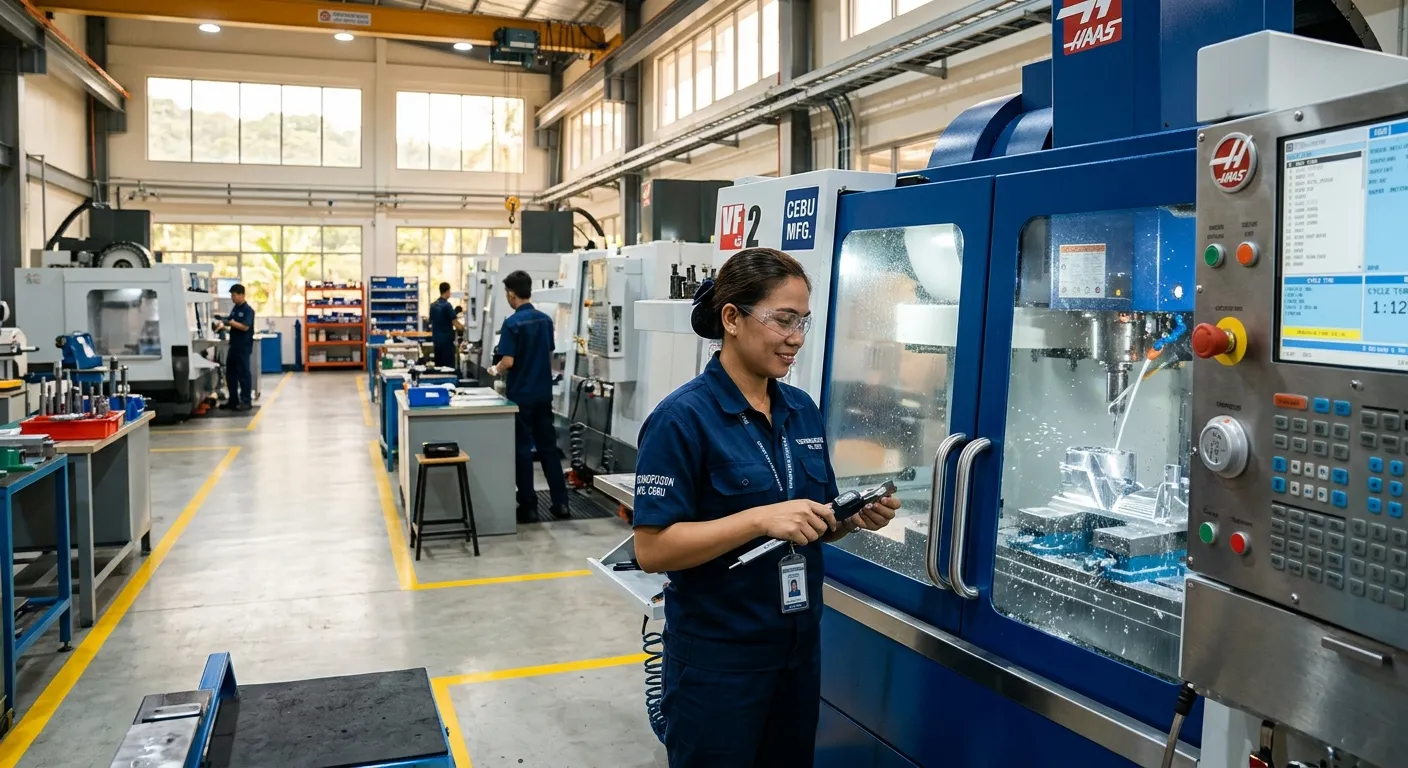
Machine Operator Hiring Cebu is one of the most important recruitment priorities for manufacturers, packaging plants, electronics facilities, and industrial service providers in the region. As production volumes grow and equipment becomes more advanced, employers need operators who can run machinery safely, maintain quality standards, and reduce costly downtime. This guide explains how to hire the right machine operators in Cebu, what skills to screen for, how to structure a faster hiring process, and why a strategic approach to Manufacturing Executive Recruitment can support long-term operational stability.
Hire Staff Today: Post Your Machine Operator JobAbout Machine Operator Hiring Cebu
Cebu is a key industrial and business hub in the Philippines, with a growing mix of manufacturing, food processing, packaging, electronics, and logistics operations. For many employers, the challenge is not simply finding candidates, but finding candidates who are technically competent, safety-conscious, punctual, and capable of adapting to shift-based production environments. That is why effective Machine Operator Hiring Cebu requires a structured process, not a rushed posting.
A strong hiring strategy should align the machine operator role with the plant’s production goals, equipment types, quality requirements, and compliance standards. It should also consider whether the role is better suited for permanent employment, temporary staffing, or a temp-to-perm model. Many employers also discover that when they are scaling operations or rebuilding leadership teams, they need support beyond operator-level recruitment. This is where Manufacturing Executive Recruitment becomes relevant, especially when the company needs supervisors, production managers, or quality leaders who can manage the workforce effectively.
The goal is simple: hire people who can operate machinery efficiently, follow standard procedures, communicate clearly, and contribute to a stable production culture. When done well, hiring machine operators in Cebu becomes less about filling a vacancy and more about building a workforce that supports consistent output and fewer operational risks.
Multi-Category Overview of Machine Operator Roles
Not all machine operator roles are the same. A CNC operator, a packaging line operator, and an assembly machine operator each require different strengths. Use the tabs below to explore common categories and see what to prioritize when hiring.
CNC & Precision Machining Operators
CNC and precision machining operators are responsible for setting up, running, and monitoring automated machine tools. These roles require stronger technical literacy than many general operator positions, especially when the job involves reading drawings, adjusting feeds and speeds, and maintaining tight tolerances.
- Look for experience with lathes, milling machines, grinders, or multi-axis equipment.
- Screen for basic measurement skills using calipers, micrometers, and gauges.
- Ask candidates to explain how they handle setup changes, tool wear, and quality checks.
- Consider practical tests if your facility can safely evaluate machine familiarity.
Packaging & Filling Line Operators
Packaging operators often work in fast-paced environments where consistency, speed, and cleanliness matter. In Cebu’s food, beverage, and consumer goods sectors, this role can be critical to meeting output targets without compromising safety or presentation.
- Prioritize candidates with experience on high-speed filling, sealing, labeling, or wrapping equipment.
- Assess ability to follow hygiene protocols and changeover procedures.
- Ask about troubleshooting jams, mislabels, and minor mechanical interruptions.
- Reliability and shift flexibility are often just as important as technical experience.
Assembly & Electronics Machine Operators
Assembly operators may work with automated or semi-automated stations that require focus, steady hands, and adherence to quality controls. In electronics and precision assembly, attention to detail can directly affect defect rates and production yield.
- Look for experience with pick-and-place, soldering, testing, or insertion machines.
- Screen for visual inspection skills and documentation habits.
- Ask candidates how they maintain accuracy during repetitive tasks.
- Teamwork matters because assembly lines depend on synchronized workflow.
Maintenance & Production Support Operators
Some machine operator roles blend production support with preventive maintenance, cleaning, lubrication, and minor repairs. These candidates can help reduce downtime if they are proactive, safety-aware, and comfortable working with technical teams.
- Check experience with routine equipment checks and lockout-tagout practices.
- Assess ability to escalate issues to maintenance engineers when needed.
- Look for problem-solving habits and calm behavior under pressure.
- Strong candidates often improve overall line efficiency, not just individual machine uptime.
Why a Structured Hiring Approach Matters
Faster Time-to-Hire
Clear role definitions, screening checklists, and pre-approved interview questions help employers move faster without sacrificing quality. When the hiring criteria are well documented, decision-makers can identify strong candidates more quickly and reduce delays in production planning.
Better Safety Outcomes
Machine operations carry real risks. Hiring candidates who understand safety discipline, PPE requirements, and emergency procedures helps protect both the workforce and the facility. Safety awareness should be evaluated early, not assumed after onboarding.
Lower Turnover
Many hiring mistakes happen because employers focus only on technical ability and overlook shift compatibility, communication style, and reliability. A balanced evaluation process improves retention and reduces repeated recruitment costs.
How to Hire Machine Operators in Cebu: A Step-by-Step Process
A practical hiring process should be simple enough for HR teams to follow, but detailed enough to reduce risky hires. The steps below are designed for employers who want to strengthen their Machine Operator Hiring Cebu strategy while also preparing for broader workforce planning needs.
Video Insight
If you are building a manufacturing staffing strategy, this video provides useful guidance on choosing a staffing partner for 24/7 operations and avoiding common hiring mistakes.
Step 1: Define the Machine Operator Role Clearly
Start with the exact equipment, shift pattern, output targets, and quality standards involved. A vague job post attracts mismatched applicants. Instead, specify whether the operator will run a CNC lathe, a packaging line, an injection molding machine, or an assembly station. Include whether the role requires overtime, night shifts, machine setup, or basic troubleshooting. If you are unsure how to position the role, reviewing your employer profile and internal hiring standards can help clarify expectations before you publish a vacancy.
Step 2: Screen for Technical and Behavioral Fit
Technical competence is essential, but behavioral fit often determines whether a hire performs well day after day. During screening, ask about the candidate’s experience with repetitive tasks, line pressure, quality checks, and safety incidents. Strong candidates can explain what they did, why they did it, and what they learned. Employers should also assess communication ability, especially in environments where operators must report abnormalities quickly and clearly.
Step 3: Use Structured Interviews and Practical Checks
A structured interview reduces bias and improves consistency. Use the same core questions for every candidate, then add role-specific follow-ups. Where possible, include a simple practical check, such as measuring parts, reading a setup sheet, or identifying a machine fault from a scenario. If your team cannot conduct hands-on testing, at least use realistic situational questions that reveal how the candidate thinks under operational pressure.
Step 4: Consider Temporary, Permanent, and Temp-to-Perm Models
Not every machine operator role needs to be filled as a permanent position immediately. Temporary staffing can be useful during peak seasons, equipment transitions, or workforce gaps. Temp-to-perm is often a strong option because it lets the employer assess reliability, skill, and culture fit before committing to a permanent hire. For companies needing flexible workforce planning, partnering with a reliable staffing provider can reduce hiring risk. If you are looking for staff quickly, this model can help you balance speed with quality.
Step 5: Align Operator Hiring with Manufacturing Executive Recruitment
Machine operator hiring should not happen in isolation. If supervisors, production managers, or quality leads are weak or absent, even skilled operators may underperform. That is why many growing manufacturers in Cebu also invest in Manufacturing Executive Recruitment. Strong leadership improves scheduling, training, safety enforcement, and performance management. When you align operator-level hiring with executive recruitment, you create a more stable production ecosystem instead of solving staffing gaps one role at a time.
Step 6: Build a Talent Pipeline Before You Need It
The fastest way to reduce hiring delays is to build relationships with candidates before an urgent vacancy appears. Maintain a shortlist of tested operators, track shift preferences, and keep communication warm. Modern recruitment increasingly depends on proactive sourcing rather than reactive posting. For practical guidance, read the Ultimate Guide to Modern Talent Sourcing: Strategies for 2026 to strengthen your employer brand and candidate pipeline.
Pro Tips for Employers Hiring in Cebu
Tip 1: Test for Reliability Early
In production environments, consistent attendance matters as much as technical ability. Ask candidates about previous shift patterns, overtime willingness, and how they handled schedule changes. If possible, verify attendance history during reference checks.
Tip 2: Make Safety a Hiring Filter
Do not treat safety as a training topic only after hiring. Screen for safety awareness by asking about PPE use, lockout procedures, and what the candidate does when a machine behaves abnormally. This protects your operation from preventable incidents.
Tip 3: Use Managed Services Where Appropriate
Some companies benefit from outsourced workforce management, especially when scaling multiple shifts or departments. If your team wants examples of operational transformation, review these managed services examples to see how structured staffing models can support business stability.
Tip 4: Make Your Job Post Attractive to Candidates
Even in a competitive labor market, clarity wins. Include pay range, shift schedule, training support, and growth opportunities. Candidates who are looking for jobs are more likely to apply when they understand the role quickly and feel confident about expectations.
Frequently Asked Questions About Machine Operator Hiring Cebu
Employers should prioritize a balance of technical competence, safety awareness, reliability, and adaptability. While experience with specific equipment is valuable, the best hires also show consistent attendance, clear communication, and the ability to follow quality procedures. In Cebu’s competitive manufacturing market, screening for these traits early reduces turnover and improves production stability.
The timeline depends on the role’s complexity and the employer’s process maturity. General packaging or assembly operators may be hired within days to two weeks, while specialized CNC or precision machine operators can take longer. A structured screening process, clear job description, and active candidate pipeline are the fastest ways to shorten time-to-hire without compromising quality.
Yes, temp-to-perm is often a strong strategy because it gives both employer and candidate time to evaluate fit before a permanent commitment. It reduces hiring risk during peak production, new line launches, or workforce transitions. Many companies use it to test reliability, teamwork, and performance before converting a temporary operator into a permanent team member.
Operator performance is closely linked to supervision, training quality, scheduling discipline, and leadership effectiveness. If a company hires skilled operators but lacks strong production managers or supervisors, productivity and retention can still suffer. Manufacturing Executive Recruitment helps ensure that leadership roles are filled with people who can build systems, coach teams, and maintain a stable operating environment.
Employers can reduce mistakes by using structured interviews, realistic job previews, reference checks, and practical assessments. It also helps to define non-negotiable requirements such as shift availability, safety compliance, and minimum technical experience. Avoid rushing to fill a role based only on availability; a slightly slower, more deliberate process often saves money and disruption later.
The best approach is to publish a clear, specific job post that includes equipment type, shift schedule, required experience, pay range, and application steps. Keep the post easy to scan, and make sure candidates know what happens after applying. If you need fast action, you can hire staff today by posting your vacancy directly to reach relevant applicants more quickly.
Ready to Hire Machine Operators in Cebu?
Whether you need one skilled operator for a production line or a broader hiring strategy that includes supervision and leadership roles, the right process starts with clarity and speed. Post your vacancy, connect with motivated candidates, and build a workforce that supports safer, more efficient manufacturing in Cebu.
Post a Job and Hire Staff Today