Manufacturing Placement Agency: Hire Skilled Production and Engineering Staff Today
SEO Title: Manufacturing Placement Agency: Hire Production and Engineering Staff Fast | SEO Description: A responsive Manufacturing Placement Agency helps employers hire qualified operators, engineers, and supervisors through Manufacturing Engineering Recruitment Agencies, reducing downtime and filling urgent roles.
Modern factories rarely fail because of a single machine breakdown. They fail because the right people are not in the right place when production demands change. A skilled machine operator can prevent downtime, a maintenance technician can protect throughput, and an experienced quality engineer can stop defective batches before they become expensive problems. That is why many manufacturers now rely on a specialist Manufacturing Placement Agency to source, screen, and deploy talent quickly. Instead of searching job boards and waiting for responses, employers can access pre-vetted candidates who understand shift work, safety standards, lean processes, and engineering support. Whether you need temporary production staff, permanent engineering hires, or flexible contract specialists, the right recruitment partner can help you hire staff today without compromising quality, compliance, or productivity.
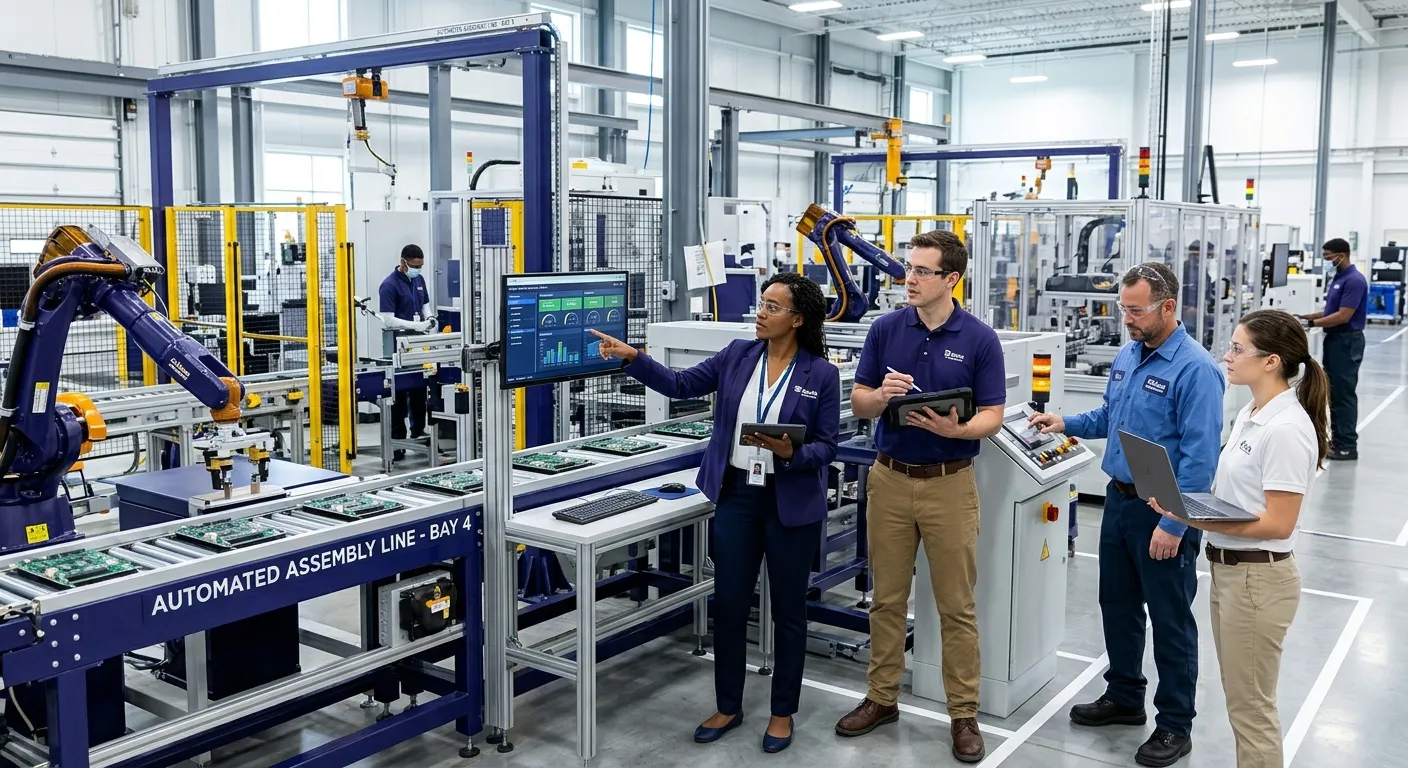
About: What a Manufacturing Placement Agency Does
A Manufacturing Placement Agency is a recruitment specialist focused on industrial and production environments. Unlike general staffing firms, it understands the language of manufacturing: throughput, changeover time, OEE, safety compliance, machine setup, quality control, and continuous improvement. It works with employers to define the role, identify the required skills, screen candidates for technical ability, verify certifications, and match personality and reliability to the factory culture. The goal is not simply to fill a vacancy, but to place someone who can contribute from day one.
Employers often use manufacturing recruitment agencies because hiring in this sector is time-sensitive. A production line cannot wait weeks for a qualified technician. Seasonal demand can require dozens of temporary workers within days. Engineering roles may need niche expertise such as automation, PLC programming, process improvement, or supplier quality. A specialist agency can reduce risk by presenting only candidates who have been tested, referenced, and assessed for job fit. It can also support compliance by checking right-to-work documentation, training records, and safety requirements.
For candidates, a good agency is a route into stable work with employers who value reliability and technical skill. Manufacturing jobs often require more than a CV; they require practical competence, attention to detail, and a safety-first mindset. Recruitment specialists help job seekers present their experience in a way that aligns with employer expectations. If you are an employer ready to hire, you can explore practical resources like Looking For Staff, or begin the process by posting a role through the Hire Staff Today CTA. If you are searching for work, the Looking For Work section can help you prepare for the next stage.
Interactive Overview: Manufacturing Roles by Category
Production & Assembly Staff
Production and assembly roles form the backbone of most manufacturing operations. These positions include machine operators, assemblers, packers, line workers, and production associates. A specialist agency looks for candidates who can follow standard operating procedures, maintain accuracy under pressure, and work safely in fast-paced environments. The best placements are not just fast; they are consistent. Agencies check shift availability, previous factory experience, and ability to meet targets without cutting corners.
Temporary production staff are especially valuable during seasonal peaks, product launches, or unexpected absence spikes. A Manufacturing Placement Agency can scale a team quickly while maintaining quality standards, helping employers avoid rushed internal hiring and reduce the risk of poor fit.
Manufacturing Engineering Roles
Engineering roles require deeper technical screening. Positions such as manufacturing engineers, process engineers, automation engineers, maintenance engineers, and product engineers need a combination of practical experience and problem-solving ability. Employers often look for skills in CAD, PLC systems, lean manufacturing, Six Sigma, root cause analysis, and equipment integration. A specialist Manufacturing Engineering Recruitment Agencies partner can assess these capabilities through technical interviews, reference checks, and portfolio or project discussions.
Because engineering hires affect long-term productivity, employers should prioritize candidates who can improve flow, reduce waste, and support continuous improvement. The right agency will not just search for job titles; it will search for measurable impact.
Quality & Compliance Specialists
Quality roles protect brand reputation and customer trust. Candidates may include quality inspectors, quality engineers, supplier quality specialists, compliance officers, and laboratory technicians. A manufacturing placement agency must evaluate knowledge of ISO standards, inspection methods, documentation control, corrective actions, and audit readiness. The ideal candidate is detail-oriented, firm under pressure, and able to communicate findings clearly to production teams.
For regulated sectors such as food manufacturing, pharmaceuticals, aerospace, and automotive, quality hiring is not optional. It is a compliance requirement. Agencies that understand these standards can help employers avoid costly mistakes and reduce onboarding time.
Maintenance & Facilities Technicians
Maintenance technicians keep production running. Employers need people who can troubleshoot mechanical, electrical, hydraulic, and pneumatic systems quickly. A specialist agency will assess certifications, shift flexibility, safety awareness, and experience with preventive and reactive maintenance. In many factories, a downtime event can cost thousands per hour, so hiring the wrong technician can be far more expensive than the recruitment fee.
Agencies can also source contract maintenance teams for shutdowns, plant moves, or emergency cover. This flexibility helps employers maintain output without committing to permanent headcount.
Leadership & Operations Management
Operations managers, shift supervisors, production leads, and plant managers need more than technical knowledge. They need leadership, communication, and the ability to improve performance through people. A Manufacturing Placement Agency should look for evidence of team management, scheduling, health and safety leadership, and production planning. The strongest candidates often have a track record of reducing waste, improving delivery, and increasing engagement.
For permanent leadership hires, agencies can conduct deeper assessment, including values alignment and strategic capability. This is especially important in organizations undergoing change, automation, or growth.
Watch: How Fast Hiring Supports Manufacturing Teams
Speed matters in industrial staffing. When a shift is empty, production slows, overtime rises, and customer promises become harder to keep. This short guide explains how employers can reduce time-to-hire and build a more responsive workforce.
Key Benefits of Working With a Manufacturing Placement Agency
Faster Time-to-Hire
Specialist agencies maintain live candidate pools, so employers can shortlist qualified people within days instead of weeks.
Better Technical Fit
Manufacturing roles require specific skills. Agencies screen for machine experience, certifications, safety knowledge, and shift reliability.
Reduced Hiring Risk
Pre-vetted candidates reduce the chance of early turnover, poor performance, or compliance issues on the factory floor.
Flexible Workforce Scaling
Temporary staff can cover peaks, absence, or urgent projects without long-term headcount commitments.
Compliance Support
Agencies help verify right-to-work, training records, and safety documentation before candidates start.
Market Insight
Experienced recruiters can advise on salary benchmarks, availability, and realistic hiring timelines in your region.
How a Manufacturing Placement Agency Reduces Hiring Risk
Hiring in manufacturing is high stakes because a bad placement can affect output, safety, and customer satisfaction. A generalist recruiter may know how to find candidates, but a specialist agency understands what makes a factory hire successful. It knows that a candidate may have the right certificate but lack the practical experience to operate a specific machine. It knows that a strong interview does not always mean a strong shift performer. The best agencies reduce this uncertainty through structured screening.
Structured screening usually includes skills assessment, reference checks, and role-specific questions. For operators, this may involve questions about setup, troubleshooting, quality checks, and safety procedures. For engineers, it may include technical problem scenarios or discussion of past improvement projects. For supervisors, it may focus on conflict management, scheduling, and performance feedback. This evidence-based approach helps employers avoid costly mis-hires.
Agencies also reduce risk by improving candidate experience. In a competitive labor market, skilled manufacturing professionals often receive multiple offers. A responsive recruiter can move quickly, communicate clearly, and keep candidates engaged. Employers that use modern sourcing strategies can learn more from the Ultimate Guide to Modern Talent Sourcing. The same principle applies to internal hiring teams: speed, clarity, and respect are what convert good candidates into accepted offers.
Manufacturing Engineering Recruitment Agencies vs. General Staffing Partners
Why Specialists Matter for Engineering Roles
Engineering hiring is more complex than volume production hiring. A process engineer, automation specialist, or quality engineer may need years of niche experience. General staffing agencies may struggle to assess whether a candidate can solve a real manufacturing problem. Manufacturing Engineering Recruitment Agencies are better equipped because they understand technical job requirements and can speak the same language as candidates and hiring managers.
They can distinguish between someone who has managed a project and someone who has actually improved a production line. They can also identify transferable skills, such as lean thinking, root cause analysis, and supplier management, that are valuable across multiple manufacturing environments.
When a General Agency May Still Work
General staffing firms can be useful for high-volume, lower-complexity roles where speed is the main factor. If you need multiple temporary workers for packing, cleaning, or basic assembly, a broad agency may deliver candidates quickly. However, even then, a specialist Manufacturing Placement Agency often adds value through better screening, stronger retention, and more reliable workforce planning.
The best approach is often hybrid. Use a specialist agency for technical and leadership roles, and use temporary staffing for flexible production cover. Employers can learn more about structured workforce planning through the Employer resources.
Practical Tips for Hiring Through a Manufacturing Placement Agency
To get the best results from a recruitment partner, employers should be clear about what success looks like. Instead of saying “we need a machine operator,” describe the machines, shift pattern, quality standards, safety expectations, and performance targets. The more specific the brief, the better the shortlist. Agencies cannot find what they do not understand, and vague job descriptions often lead to wasted interviews.
Employers should also decide early whether they need temporary, contract, or permanent staff. Temporary cover is ideal for peaks and absence. Contract roles work well for projects, shutdowns, or interim technical support. Permanent hires are best when you need long-term ownership of a process, team, or engineering function. A good agency will help you choose the right model and may also suggest temp-to-perm arrangements if the market is uncertain.
Another important tip is to treat the agency as a strategic partner, not just a supplier. Share your production calendar, skill gaps, and growth plans. If you are expanding a new line or introducing automation, tell the recruiter early. This allows them to build a talent pipeline before the urgent request arrives. For candidates, the same advice applies: use the Find Jobs resources to identify roles that match your skills and long-term goals.
What Job Seekers Should Know About Manufacturing Placement Agencies
Job seekers often benefit from working with a specialist agency because recruiters understand what employers truly value. In manufacturing, reliability, safety awareness, and practical skill usually matter more than a polished CV alone. Agencies can help candidates highlight hands-on experience, machine knowledge, and quality-focused achievements. They can also prepare candidates for interviews by explaining common employer concerns, such as shift flexibility, teamwork, and adherence to procedures.
Candidates should be honest about their experience and availability. A recruiter who knows your full strengths and limitations can place you better. If you are open to temporary work, say so. Temporary roles can lead to permanent positions, especially when performance is strong. If you are targeting a niche engineering role, ask the agency about salary benchmarks and technical assessments. The right agency will be transparent, responsive, and focused on long-term fit rather than a quick placement.
FAQ About Manufacturing Placement Agencies
A specialist agency understands industrial hiring, including shift work, technical skills, safety requirements, and production pressures. General recruiters may fill roles quickly, but they often lack the depth needed for machine operation, engineering, quality, or maintenance positions.
Temporary roles can sometimes be filled within 24 to 72 hours if the agency has a strong candidate pool. Permanent or highly technical roles usually take longer because they require deeper screening, references, and interviews. Speed depends on role complexity, location, salary, and shift pattern.
Yes. Small manufacturers often feel they cannot afford specialist recruitment, but a bad hire can cost far more in downtime, rework, or turnover. Agencies can reduce risk and save time, especially when hiring for technical or leadership roles.
Absolutely. Temporary staffing is one of the strongest use cases for a Manufacturing Placement Agency. It allows businesses to scale quickly during seasonal demand, new product launches, or unexpected absence without committing to permanent headcount.
Employers should share the exact machines, shift patterns, safety standards, performance expectations, and interview process. The clearer the brief, the better the agency can screen for technical ability, reliability, and cultural fit.
Candidates should highlight measurable achievements, be clear about availability, and show willingness to learn. Agencies value reliability, safety awareness, and practical experience. Honest communication helps recruiters match you to roles where you can succeed.
Need Skilled Manufacturing Talent Now?
Whether you need temporary production staff, permanent engineers, quality specialists, or supervisors, a specialist Manufacturing Placement Agency can help you hire faster and reduce risk. Post your role today and start connecting with vetted candidates ready for the factory floor.
