
Find & Hire Top Vet Receptionist Jobs: Your Ultimate Guide to Staffing Excellence
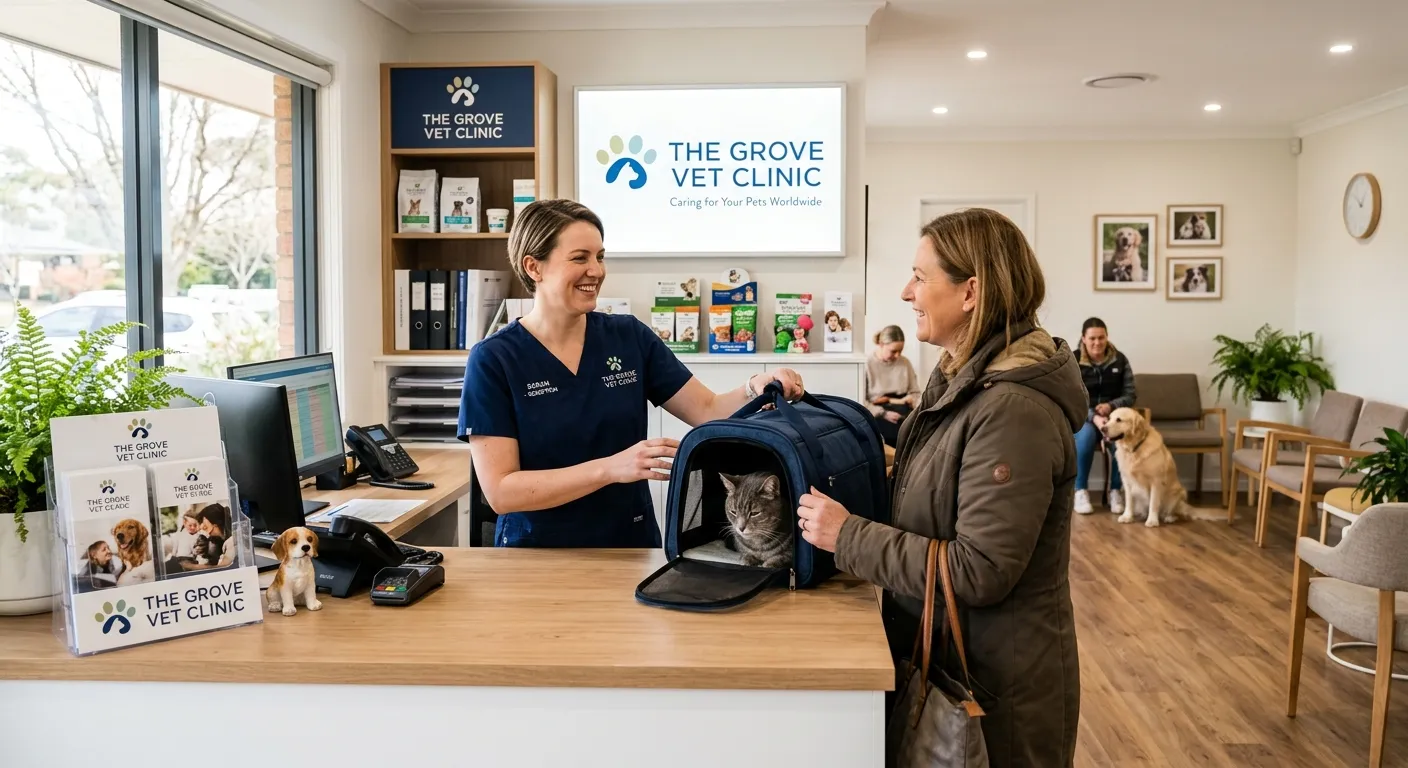
Discover the critical role of veterinary receptionists, learn how to hire the best talent for immediate impact, and explore flexible staffing solutions that keep your practice running smoothly.
Post Your Vet Receptionist Job NowYour Complete Guide to Veterinary Front Desk Staffing
Whether you're a practice manager looking to hire or a professional seeking a rewarding career, understanding the landscape of Vet Receptionist Jobs is essential. This multi-faceted role is the heartbeat of any successful veterinary clinic.
The Multifaceted Role of a Veterinary Receptionist
A veterinary receptionist is far more than a front-desk administrator. They are the first and last point of contact, a client educator, a compassionate liaison, and a critical organizational hub. Their duties directly impact client retention, practice revenue, and animal welfare.
- Client Communication & Triage: Greeting clients, managing emotional situations, and performing basic phone triage to assess urgency.
- Appointment & Schedule Mastery: Efficiently booking, rescheduling, and managing the veterinary calendar to maximize practitioner time and minimize client wait times.
- Administrative & Financial Operations: Processing payments, managing pet health records (digital and physical), handling insurance claims, and inventory monitoring for retail products.
- Clinical Support Liaison: Relaying accurate information between clients and the veterinary medical team, preparing consultation rooms, and ensuring smooth patient flow.
The skill set required blends"soft skills" like empathy and communication with"hard skills" in software (Practice Management Systems like Provet, RxWorks, or ImproMed), basic accounting, and multi-line phone systems. Finding candidates who excel in this balance is key, much like the strategic approach needed for Recruitment Outsourcing in London | Strategic HR & Talent Solutions.
Why Vet Receptionists Are Indispensable
The core benefits of investing in top-tier front-desk talent for your veterinary practice.
Client Retention & Satisfaction Driver
A great receptionist builds lasting relationships, turning one-time visitors into loyal clients. They manage complaints gracefully and enhance the overall client experience, directly impacting online reviews and practice reputation.
Operational Efficiency & Flow
They are the conductors of the daily symphony. By optimizing schedules, preparing patient files, and ensuring clear communication between clients and clinical staff, they prevent bottlenecks and keep the practice profitable and stress-free.
Revenue Protection & Growth
From accurately coding and invoicing services to promoting retail products and preventative care plans, a skilled receptionist directly influences the bottom line. They minimize missed charges and identify opportunities for additional services.
Crafting the Perfect Job Description & Hiring Process
Attracting the right candidates for Vet Receptionist Jobs starts with a compelling job description and a streamlined hiring process. This section provides a detailed blueprint.
Essential Elements of a Winning Job Ad
- Clear Title & Summary: Use"Veterinary Receptionist" or"Client Care Coordinator." Open with a powerful one-sentence summary of your practice's mission and the role's impact.
- Detailed Responsibilities: Go beyond"answer phones." List specific tasks like"manage 4-line phone system,""process pet insurance claims via PetPlan," and"maintain digital records in [Software Name]."
- Required vs. Preferred Skills: Differentiate between non-negotiables (e.g., excellent English, customer service experience) and desirable assets (e.g., veterinary knowledge, PMS experience).
- Practice Culture & Benefits: Sell your workplace. Mention team ethos, continuing education allowances, pet care discounts, and any unique perks. This is as crucial as the strategic culture fit discussed in Find Top Recruitment Jobs in London | HireNow Agency resources.
Sample Interview Questions to Ask
Move beyond generic questions to uncover true aptitude and temperament.
"A client calls, extremely upset because their dog's surgery cost was higher than the estimate. How would you handle this call?"
Assesses: Empathy, communication, problem-solving, and knowledge of financial protocols.
"Describe how you would prioritize your tasks when you arrive in the morning to open the clinic: the phone is ringing, a client is waiting at the desk, and a vet needs a patient file urgently."
Assesses: Multi-tasking, triage ability, and composure under pressure.
"Walk me through the steps you would take to book a new client and their pet for a first vaccination appointment."
Assesses: Process-oriented thinking, attention to detail, and client onboarding skills.
For more on perfecting the interview process from the employer's perspective, the video "How to Interview Someone for a Job: Top Questions & Pro Hiring Tips" is an invaluable resource.
The Role of Technology & The Human Touch
The modern veterinary practice is increasingly digital. While PMS software, online booking, and telemedicine are vital, they augment rather than replace the human receptionist. A machine cannot console a grieving owner or detect the subtle anxiety in a client's voice that indicates a more urgent problem.
This synergy is key. For instance, a Remote Receptionist service might handle after-hours calls, but the in-person role remains irreplaceable for day-to-day operations. The goal is to use technology to free up your receptionist's time for higher-value, empathetic client interactions.
Frequently Asked Questions: Vet Receptionist Jobs
Quick answers to common queries from employers and job seekers.
Formal qualifications like GCSEs in English and Maths are often required, but experience is paramount. Most employers prioritize proven customer service skills, administrative competency, and a genuine love for animals. Certificates in Animal Care or Customer Service can be advantageous. For those seeking to enter the field, checking platforms like Find Jobs can reveal entry-level opportunities that provide on-the-job training.
Specialist recruitment agencies are the most efficient solution. They have databases of pre-vetted professionals available for short-term assignments. This mirrors the model used in Temporary Manufacturing Staffing, where speed and reliability are critical. By posting your requirement on a dedicated platform like our job posting service, you tap into an active network of qualified candidates seeking temporary work, ensuring minimal disruption to your practice.
Salaries vary by location, experience, and practice type. As of 2025, entry-level positions may start around £18,000-£20,000 per annum. Experienced or senior receptionists in busy practices or London can earn £24,000-£28,000 or more. Benefits like private healthcare, pension contributions, and pet care discounts add significant value to the total compensation package.
Yes, particularly those with dedicated healthcare or professional services divisions. They invest time to understand your specific practice culture, software, and clientele. The strategic partnership outlined in resources like Recruitment Outsourcing in London | Strategic Staffing & HR Support is based on this deep understanding. A good agency acts as an extension of your HR team, filtering for the unique blend of compassion and competence the role demands.
Ready to Transform Your Veterinary Practice Front Desk?
Whether you need a permanent team member to be the friendly face of your clinic or require immediate temporary cover to handle seasonal demand, the right talent is crucial. Stop letting staffing gaps compromise your client service or operational efficiency.
For job seekers exploring Vet Receptionist Jobs, discover current opportunities on our job seeker portal. For comprehensive hiring strategies beyond the front desk, explore our guide on Looking For Staff.
Industry Data: The Evolving Landscape of Veterinary Reception
The demand for skilled veterinary receptionists is not static; it's shaped by broader trends in pet ownership, technology, and client expectations. Understanding these drivers is key for both hiring managers and career-focused professionals.
Key Market Trends Impacting Demand
-
The"Pet Humanization" Effect
As pets are increasingly treated as family members, clients expect a healthcare experience akin to human private healthcare. This elevates the receptionist's role from transactional to concierge-like, requiring heightened emotional intelligence and service excellence.
-
Technology Integration & Hybrid Roles
The adoption of telemedicine, online booking portals, and client-facing apps has not replaced the receptionist but transformed their toolkit. Modern receptionists must now guide clients through digital touchpoints, creating a seamless"phygital" (physical + digital) experience.
Case Study Snapshot: The Multi-Practice Group
A UK veterinary group with 12 clinics implemented a centralized"Client Care Hub" staffed by senior receptionists. This team handles all inbound calls, complex scheduling, and insurance queries, allowing on-site receptionists to focus on face-to-face client care. Result: A 15% increase in appointment capacity and a 30% improvement in client satisfaction scores for phone service.
Skill Set Evolution: Beyond the Basics
The competency profile for a top-tier vet receptionist has expanded dramatically. Here’s a breakdown of emerging critical skills:
Digital Literacy & Data Management
Proficiency in Practice Management Software (PMS) is now a baseline. Advanced candidates can generate reports on no-show rates, analyse client visit frequency, and manage online reputation by responding to reviews—skills that directly contribute to practice growth.
Basic Veterinary Triage Certification
Forward-thinking practices are investing in certified triage training for receptionists. This empowers them to more accurately assess emergency calls, advise on first-aid, and ensure urgent cases are prioritized, improving patient outcomes and mitigating practice risk.
Navigating Common Staffing Pitfalls & Solutions
Identifying and avoiding these recurring challenges can save your practice time, money, and client goodwill.
Pitfall 1: Underestimating the Role & Underpaying
Viewing the receptionist as a"low-skilled" position leads to non-competitive salaries, high turnover, and constant retraining. The cost of a vacant position—in missed calls, double-booked appointments, and frustrated clients—far exceeds the investment in a competent professional.
Solution: Conduct a local salary benchmark. Factor in the role's direct impact on revenue (e.g., upselling services, reducing missed appointments) to justify a stronger compensation package. Consider offering clear pay progression tied to mastered competencies.
Pitfall 2: Inadequate Onboarding & Ongoing Training
Throwing a new hire into the deep end with only software logins leads to errors, stress, and early departure. The unique combination of medical terminology, software, and soft skills required cannot be learned by osmosis.
Solution: Develop a structured 2-4 week onboarding plan with a mentorship buddy. Incorporate shadowing, simulated client calls, and phased responsibility. Invest in continuous professional development (CPD) on topics like compassion fatigue management or advanced PMS features, similar to the support systems outlined in strategic HR partnerships.
The Power of a Strategic Staffing Mix
No single staffing model fits all practices. The most resilient clinics employ a blended approach:
Permanent Anchor Staff
Your practice culture carriers and knowledge repository. They provide continuity and deep client relationships.
Regular Temporary Staff
Known professionals engaged through an agency for predictable peak times (e.g., Saturday rotations, holiday seasons), ensuring consistent service quality.
On-Demand Emergency Cover
For unexpected illness or sudden departures. Specialized agencies can place vetted candidates within 48 hours, a critical stopgap explored in resources on immediate start jobs.
Your Action Plan: Immediate Next Steps
Whether hiring or job seeking, move from insight to action with this checklist.
1 For Practice Managers & Hiring Teams
- Audit Your Current State: Conduct a one-week audit of front-desk pain points. How many calls are missed? What are common client complaints?
- Revamp Your Job Description: Using the guide above, rewrite your ad to highlight culture, impact, and growth, not just duties.
- Partner Proactively: Establish a relationship with a specialist recruiter before a crisis hit. This ensures they understand your practice for faster, better placements.
2 For Aspiring & Current Vet Receptionists
- Upskill Strategically: Identify one high-value skill gap (e.g., a specific PMS, pet insurance processing) and pursue a short course or certification.
- Build a Portfolio: Document achievements:"Reduced no-show rate by 12% via new reminder protocol," or"Trained 3 new team members on PMS."
- Explore Flexible Avenues: Register with a reputable agency to gain diverse practice experience and find opportunities, from remote roles to temporary contracts that can lead to permanent positions.
The world of Vet Receptionist Jobs is dynamic and critical to the future of veterinary care. By embracing these detailed insights, strategies, and actionable steps, you position yourself—whether as an employer or a professional—for success in this foundational role.